Blogs

Hydroponic gardening for schools and educational institutions
Blogs

Hydroponic gardening for schools and educational institutions

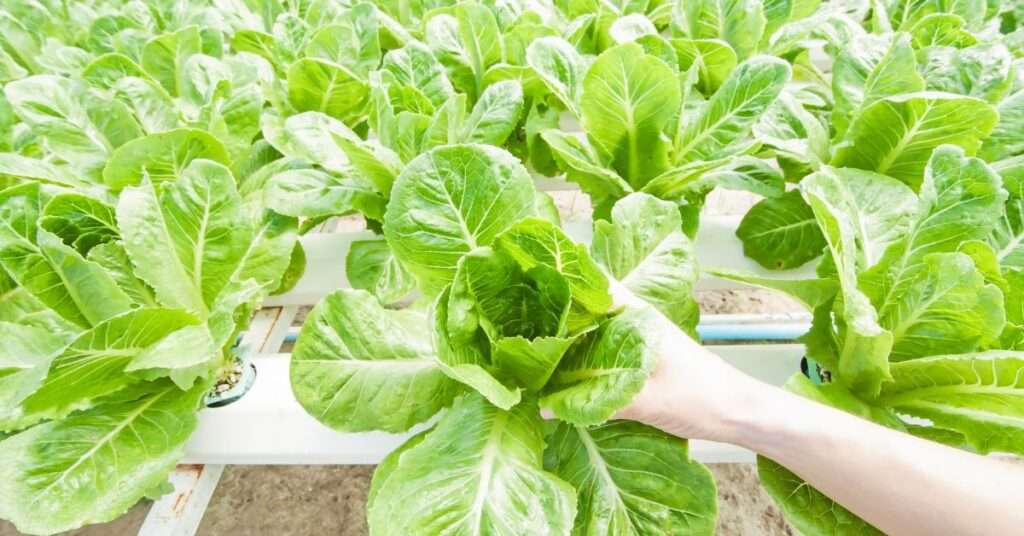
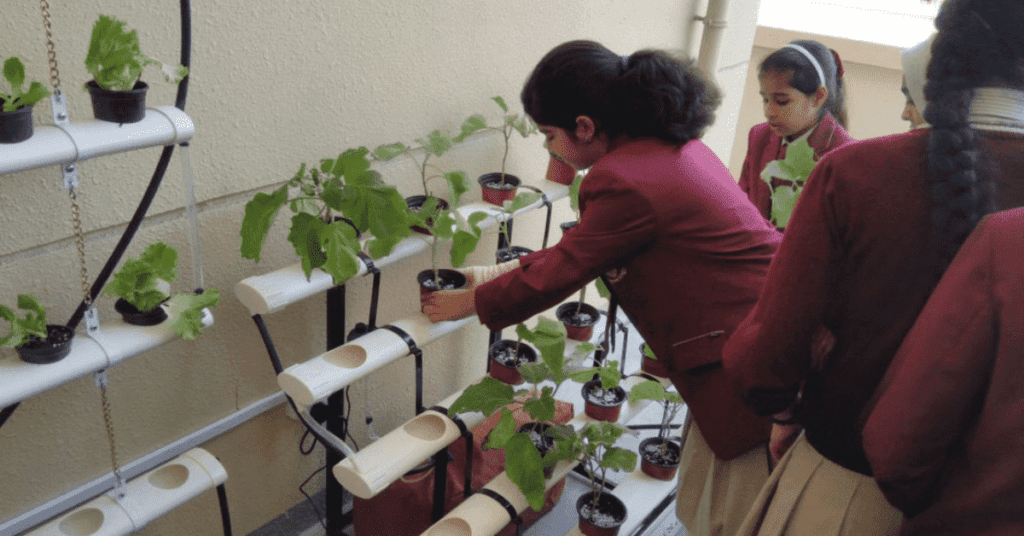
Schools and educational institutions play a pivotal role in shaping the minds of future generations. Incorporating hydroponic gardening into the curriculum offers a unique opportunity to foster environmental awareness, scientific exploration, and practical skills. Hydroponic gardening for schools and educational institutions. Hydroponic farming, a method of growing plants without soil, is gaining popularity worldwide. It is particularly relevant in regions like Rajasthan, where water scarcity is a pressing issue. By adopting hydroponic techniques, schools can not only cultivate fresh produce but also contribute to water conservation efforts. The Benefits of Hydroponic Gardening in Schools Environmental Education: Hydroponic gardening provides a hands-on platform to teach students about sustainable agriculture, water conservation, and the importance of a healthy ecosystem. Scientific Learning: Students can explore the principles of botany, chemistry, and physics through hydroponic experiments. Nutritional Education: Growing their own food helps students understand the nutritional value of fresh produce and develop healthy eating habits. Practical Skills: Students gain valuable skills in plant cultivation, data collection, and problem-solving. Community Engagement: Hydroponic gardens can be a focal point for school communities, fostering collaboration and a sense of ownership. Setting Up a Hydroponic Garden in Schools Establishing a hydroponic garden in a school requires careful planning and organization. Space Allocation: Identify a suitable location for the hydroponic system, considering factors like sunlight, water availability, and classroom proximity. Equipment and Supplies: Procure essential equipment such as hydroponic grow systems, nutrient solutions, pH meters, and grow lights. Curriculum Integration: Develop lesson plans and activities that align with the school’s curriculum, incorporating science, math, and environmental studies. Student Involvement: Encourage student participation in all aspects of the hydroponic garden, from planning to harvesting. Maintenance and Monitoring: Establish a routine for monitoring plant growth, water quality, and nutrient levels. Hydroponic Gardening in Rajasthan: Overcoming Challenges While hydroponic farming offers immense potential for schools in Rajasthan, it also presents certain challenges due to the region’s arid climate. Water Management: Implement efficient water recycling systems and explore the use of rainwater harvesting. Climate Control: Create controlled environments using greenhouses or shade nets to regulate temperature and humidity. Nutrient Management: Select nutrient solutions specifically designed for arid conditions and monitor nutrient levels closely. Energy Efficiency: Utilize solar power to reduce energy consumption for lighting and water pumps. Inspiring Success Stories Several schools across India have successfully implemented hydroponic gardening programs. These initiatives have not only enriched the students’ learning experience but also inspired communities to adopt sustainable practices. Hydroponic gardening offers a transformative approach to education, empowering students to become environmentally conscious and skilled citizens. By embracing this innovative method, schools can create thriving green spaces that nurture both plants and young minds. Hydroponic farming in Rajasthan has the potential to revolutionize agriculture in the region while providing invaluable learning opportunities for students. By overcoming challenges and leveraging the benefits, schools can establish sustainable and productive hydroponic gardens that serve as models for the community. Incorporating Hydroponics into the Curriculum To maximize the educational impact of a hydroponic garden, it’s crucial to integrate it seamlessly into the curriculum. Here’s how: Science Curriculum: Explore topics like photosynthesis, plant physiology, nutrient uptake, and the scientific method through hands-on experiments. Mathematics: Calculate nutrient ratios, measure plant growth, analyze data, and create graphs. English Language Arts: Write reports, create presentations, and develop persuasive arguments about the benefits of hydroponic gardening. Social Studies: Study local food systems, agriculture, and the impact of climate change. Art and Design: Create visually appealing displays for the hydroponic garden, design labels for produce, and develop marketing materials. Health and Nutrition: Learn about the importance of healthy eating, food safety, and the nutritional value of hydroponically grown produce. Building a School Community Around Hydroponics A hydroponic garden can serve as a catalyst for building a strong school community. Consider these ideas: Student-Led Initiatives: Empower students to take ownership of the garden by creating student-led clubs or committees. Parent and Community Involvement: Organize workshops, field trips, and volunteer opportunities to engage parents and the community. School Cafeteria Partnerships: Collaborate with the school cafeteria to incorporate hydroponically grown produce into the menu. Fundraising and Grants: Explore opportunities to fundraise for garden expansion or participate in grant programs to support educational initiatives. Overcoming Challenges and Ensuring Sustainability While hydroponic gardening offers numerous benefits, it’s essential to address potential challenges and ensure the long-term sustainability of the project: Teacher Training: Provide teachers with adequate training and resources to effectively integrate hydroponics into the curriculum. Equipment Maintenance: Establish a maintenance schedule for hydroponic equipment to prevent breakdowns and optimize performance. Continuous Learning: Encourage ongoing research and experimentation to stay updated on the latest hydroponic techniques and technologies. Data Collection and Analysis: Implement a system for collecting and analyzing data on plant growth, nutrient levels, and environmental factors. Inspiring Future Generations By incorporating hydroponic gardening into schools, we are not only teaching students about sustainable agriculture but also cultivating a generation of environmentally conscious and problem-solving individuals. Hydroponic gardens can serve as living laboratories where students can explore the wonders of nature, develop essential life skills, and contribute to a more sustainable future.

Organic Vegetable Gardening Tips
Blogs

Organic Vegetable Gardening Tips

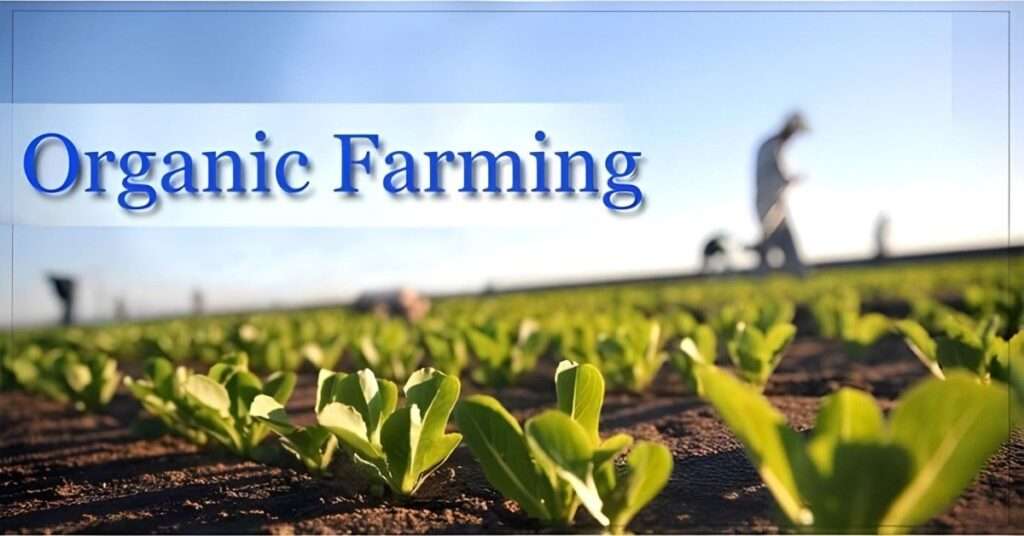
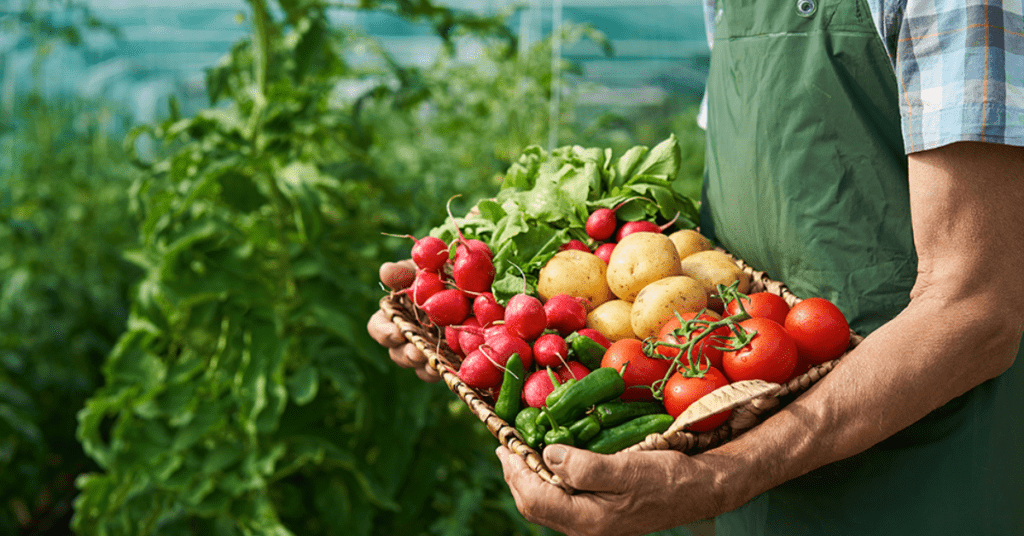
Are you a gardening enthusiast looking to grow fresh, nutritious vegetables without harmful chemicals? Organic vegetable gardening is a rewarding journey that not only provides you with delicious produce but also contributes to a healthier environment. In this blog, we will explore practical tips for organic vegetable gardening, with a special focus on the unique conditions of Rajasthan. Understanding Organic Gardening Organic gardening revolves around cultivating plants using natural methods that promote soil health, biodiversity, and ecological balance. It excludes the use of synthetic fertilizers, pesticides, and genetically modified organisms (GMOs). Benefits of Organic Vegetable Gardening Healthier Produce: Organic vegetables are generally free from harmful chemicals, resulting in a healthier diet. Improved Soil Health: Organic practices build rich, living soil, leading to more vigorous plants and better nutrient uptake. Environmental Protection: Organic gardening reduces water pollution, conserves water, and supports biodiversity. Cost-Effective: Once established, organic gardens can be more cost-effective than buying organic produce. Organic Vegetable Gardening in Rajasthan Rajasthan, with its arid climate and limited water resources, presents unique challenges for gardening. However, with the right approach, you can successfully grow a variety of organic vegetables. Choosing the Right Vegetables Select vegetables that thrive in Rajasthan’s hot and dry climate. Some suitable options include: Leafy Greens: Spinach, amaranth, and lettuce varieties that are heat-tolerant. Root Vegetables: Carrots, radishes, and beets can be grown successfully. Beans and Peas: These legumes enrich the soil and provide a good protein source. Tomatoes, Chillies, and Brinjal: These heat-loving vegetables are ideal for Rajasthan. Cucumbers, Bottle Gourds, and Ridge Gourds: These climbers can be grown with proper support. Soil Preparation Enrich the Soil: Add organic matter like compost, manure, or vermicompost to improve soil fertility and water retention. Soil Testing: Conduct a soil test to determine nutrient deficiencies and adjust your fertilization accordingly. Drainage: Ensure proper drainage to prevent waterlogging, which can be detrimental to plants. Sowing and Planting Seed Selection: Choose high-quality organic seeds adapted to the local climate. Sowing Time: Consider the optimal sowing time for different vegetables based on the local weather conditions. Seedling Care: If starting seedlings indoors, provide adequate light and warmth. Transplanting: Harden off seedlings before transplanting to acclimate them to outdoor conditions. Spacing: Follow recommended spacing guidelines for each vegetable to prevent overcrowding. Watering Wisely Water Conservation: Implement water-saving techniques like mulching, drip irrigation, and rainwater harvesting. Pest and Disease Management Crop Rotation: Rotate crops to disrupt pest and disease cycles. Homemade Repellents: Use organic pest repellents like neem oil, garlic spray, or chili pepper water. Harvesting and Storage Timely Harvesting: Harvest vegetables at the peak of ripeness for optimal flavor and nutrition. Proper Handling: Handle harvested vegetables carefully to avoid damage. Storage: Store vegetables in suitable conditions to prolong their shelf life. Organic Farming in Rajasthan: Challenges and Opportunities Rajasthan has immense potential for organic farming due to its vast tracts of land and traditional farming practices. However, challenges such as water scarcity, soil degradation, and lack of awareness need to be addressed. The state government has initiated several programs to promote organic farming, including providing subsidies, setting up certification agencies, and creating markets for organic products. By adopting sustainable practices and leveraging government support, farmers in Rajasthan can reap the benefits of organic agriculture, improving their livelihoods and protecting the environment. Conclusion Organic vegetable gardening is a rewarding endeavor that offers numerous benefits. By following these tips and adapting them to the specific conditions of Rajasthan, you can grow delicious and healthy vegetables while contributing to a sustainable future.

Blogs, Hydroponics

Hydroponic Farming for Urban Dwellers: Growing Food in Small Spaces

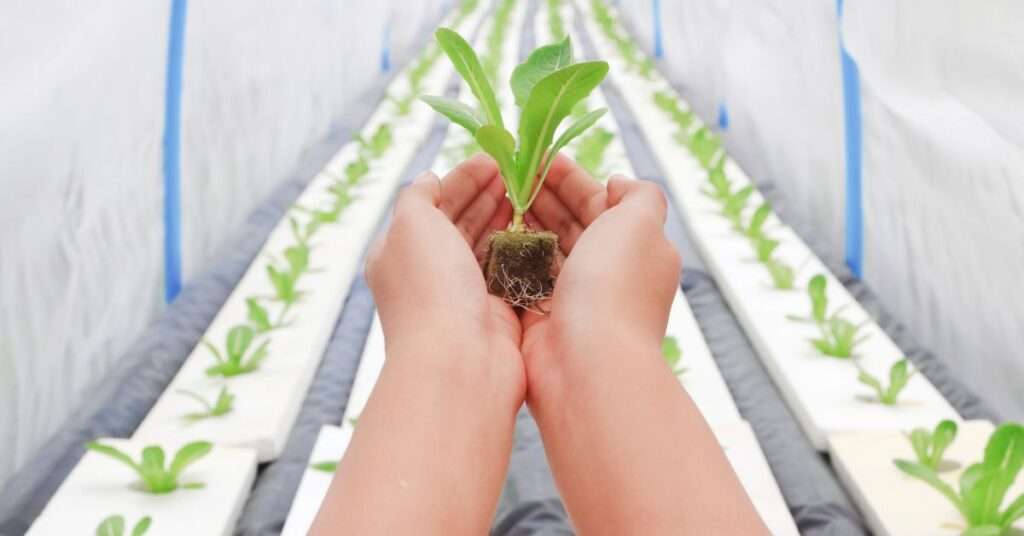
In an era of urbanization and limited space, the dream of growing fresh, organic produce seems distant for many. However, the advent of hydroponic farming has revolutionized the way we cultivate plants, making it possible to grow your own food even in the smallest of apartments. This article explores the potential of hydroponic farming in urban settings, with a specific focus on its applicability in Rajasthan, a state known for its arid climate and limited agricultural land. Understanding Hydroponic Farming It’s a sustainable and efficient way to cultivate crops, requiring significantly less water than traditional farming methods. This makes it an ideal choice for regions like Rajasthan, where water scarcity is a pressing issue. Benefits of Hydroponic Farming for Urban Dwellers Space Efficiency: Hydroponic systems can be adapted to fit various spaces, from small balconies to indoor areas. Fresh and Organic Produce: Grow your own pesticide-free, nutrient-rich food. Year-Round Cultivation: With proper indoor conditions, you can grow crops throughout the year, regardless of the season. Reduced Environmental Impact: Hydroponics minimizes soil erosion, pesticide runoff, and other environmental concerns. Hydroponic Farming in Rajasthan: A Viable Option Rajasthan, a state characterized by its arid climate and limited water resources, presents unique challenges for agriculture. However, hydroponic farming offers a promising solution. Water Scarcity: By significantly reducing water consumption, hydroponics can help address Rajasthan’s water crisis. Land Constraints: Hydroponic systems can be installed in vertical spaces, making optimal use of limited land. Climate Control: Controlled environments in hydroponic systems can mitigate the effects of extreme weather conditions. Getting Started with Hydroponic Farming Choose a Suitable System: Select a hydroponic system that aligns with your space and experience level. Popular options include deep water culture, nutrient film technique (NFT), and aeroponics. Select Your Crops: Opt for crops that thrive in hydroponic environments and suit your taste preferences. Prepare Your Nutrient Solution: Use a balanced nutrient solution specifically formulated for hydroponics. Provide Adequate Lighting: Artificial lighting is essential for indoor hydroponic systems. Monitor and Adjust: Regularly check nutrient levels, pH, and water temperature to ensure optimal plant growth. Tips for Successful Hydroponic Farming Start Small: Begin with a small system to gain experience before expanding. Research and Learn: Stay informed about hydroponic techniques and best practices. Experiment: Try different crops and nutrient solutions to find what works best for you. Join a Community: Connect with other hydroponic enthusiasts for support and advice. Hydroponic farming is a game-changer for urban dwellers seeking fresh, healthy food. It’s a sustainable and efficient way to cultivate crops, even in challenging environments like Rajasthan. By embracing this innovative approach, individuals can contribute to a greener future while enjoying the rewards of homegrown produce. Deep Water Culture (DWC) One of the simplest hydroponic systems, DWC involves suspending plants in oxygenated nutrient-rich water. It’s ideal for beginners due to its ease of setup and maintenance. However, it requires close monitoring to prevent algae growth. Nutrient Film Technique (NFT) In NFT systems, a thin film of nutrient solution continuously flows over the plant roots. This method provides excellent oxygenation for the roots, leading to rapid plant growth. NFT is suitable for growing leafy greens and herbs. Aeroponics Aeroponics is a more advanced system where plant roots are suspended in air and misted with nutrient solution. This method maximizes oxygenation and can produce exceptionally high yields. While it requires more technical expertise, aeroponics is gaining popularity among hydroponic enthusiasts. Hydroponic Crop Selection for Urban Gardens Choosing the right crops is crucial for successful hydroponic gardening. Consider the following factors: Space Constraints: Opt for compact plants like lettuce, spinach, and herbs. Light Availability: Select crops that thrive in low to moderate light conditions. Personal Preference: Grow what you love to eat! Popular hydroponic crops include: Leafy greens: lettuce, spinach, kale Herbs: basil, mint, parsley, cilantro Small fruits: strawberries, blueberries Vegetables: tomatoes, peppers, cucumbers Overcoming Challenges in Urban Hydroponics While hydroponic farming offers numerous advantages, it’s essential to address potential challenges: Nutrient Imbalance: Regularly test and adjust nutrient solution to prevent deficiencies or toxicities. Light Quality: Invest in high-quality grow lights to ensure optimal plant growth. Pest and Disease Control: Implement preventive measures and address issues promptly. Initial Investment: Consider the upfront costs of equipment and supplies. Conclusion Hydroponic farming is a viable and rewarding option for urban dwellers seeking to grow their own food. By carefully selecting the right system, crops, and environment, you can enjoy the benefits of fresh, homegrown produce year-round. With a little planning and dedication, you can transform your living space into a thriving hydroponic garden. Would you like to focus on a specific aspect of hydroponic farming, such as nutrient solutions, lighting, or troubleshooting common issues?

Blogs, Organic Farming

The Joys of Organic Farming: Connecting with Nature and Growing Your Own Food

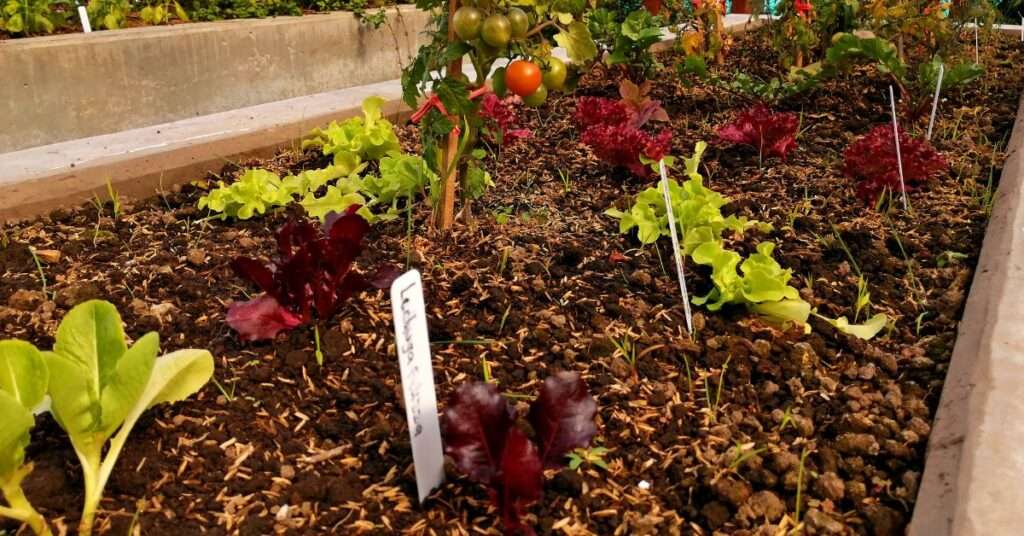
Have you ever dreamt of biting into a tomato so juicy and flavorful it bursts with sunshine? Or picking crisp lettuce for dinner, knowing exactly where it came from and how it was grown? Organic farming offers this and so much more. It’s a journey of reconnecting with nature, nurturing the earth, and reaping the rewards of your labor – literally! A Deeper Connection: Organic farming strips away the artificial and fosters a true connection with the natural world. You become an observer, understanding the delicate dance between sunlight, water, and soil that nourishes life. Witnessing the first sprout push through the earth, or a ladybug devour a pesky aphid, ignites a sense of wonder and appreciation for the intricate web of life. The Satisfaction of Self-Sufficiency: There’s an indescribable satisfaction in harvesting food you’ve grown yourself. From planting the seeds to watching them mature, you’re intimately involved in the creation of your sustenance. The knowledge that your food is free from harmful chemicals and nurtured with organic practices adds another layer of fulfillment. A Sanctuary for Nature: Organic farms become havens for beneficial insects, birds, and pollinators. By creating a healthy ecosystem, you’re not just growing food, you’re contributing to a thriving natural environment. Witnessing the return of butterflies, the buzz of bees, and the chirp of happy birds adds a delightful soundtrack to your farming experience. Beyond the Harvest: The joys of organic farming extend far beyond the bounty you harvest. It’s a form of exercise, providing a healthy dose of fresh air and sunshine. It’s a source of stress relief, the repetitive tasks becoming a form of mindful meditation. And it’s a chance to connect with your community, sharing your knowledge and experiences with fellow organic enthusiasts. Taking the First Step: Ready to embark on this rewarding journey? Organic farming can be practiced on any scale, from a small balcony herb garden to a sprawling vegetable patch. Researching beginner-friendly techniques, choosing organic seeds, and starting small are all great ways to begin. There are challenges, of course. But the sense of accomplishment, the connection with nature, and the delicious, healthy food you produce will make it all worthwhile. So, grab your gloves, get your hands dirty, and discover the joys of organic farming! The Joys of Organic Farming: From Seed to Supper Now that you’re inspired to delve into organic farming, let’s explore some practical steps to get you started. Here’s how you can turn your dream of homegrown food into a delicious reality: Know Your Space: Start by assessing your available space. A sunny balcony is perfect for herbs and leafy greens. A small backyard allows for raised beds bursting with vegetables like tomatoes, peppers, and eggplants. Research companion planting strategies to maximize space and create a thriving mini-ecosystem. Embrace the Power of Planning: Planning is key to success in organic farming. Research the best planting times for your region. Consider starting seeds indoors for a head start on the season. Sketch out a garden layout, factoring in sunlight needs and plant spacing. Prepare the Perfect Soil: Healthy soil is the foundation of a thriving organic farm. Amend your soil with organic matter like compost, aged manure, and worm castings. This fosters beneficial microbes that nourish your plants and promote healthy growth. Befriend the Beneficials: Ladybugs, lacewings, and praying mantises are nature’s pest control. Attract these beneficial insects by planting companion flowers like marigolds and dill. Encourage a healthy ecosystem to create a natural balance in your garden. Celebrate the Harvest: As your crops mature, the real joy begins! Harvest your homegrown bounty with pride. Savor the taste of a tomato ripened under the sun, or the sweetness of a strawberry picked at its peak. Share your harvest with friends and family, creating lasting memories. The Learning Never Stops: Organic farming is a continuous learning journey. There will be successes and setbacks, but each experience offers valuable lessons. Read books and blogs, connect with local gardening communities, and don’t be afraid to experiment. Embrace the challenges, and relish the rewards of your growing expertise. Remember, organic farming is more than just a way to grow food. It’s a way of life that connects you with nature, promotes sustainability, and nourishes both your body and soul. So, take the plunge, get your hands dirty, and discover the joys of organic farming!

organic farming in developing countries
Blogs, Hydroponics

What to Grow in Hydroponics?

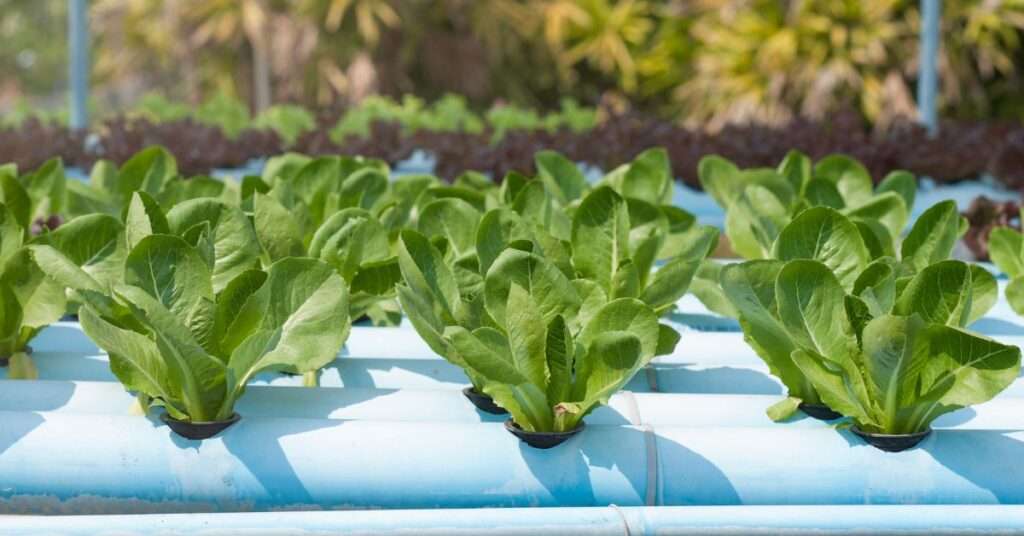
Hydroponic farming, the innovative method of growing plants without soil, is gaining traction across India. In Rajasthan, a state known for its arid climate, hydroponics offers a promising solution for maximizing agricultural output while conserving precious water resources. This blog delves into the exciting world of hydroponic farming in Rajasthan, exploring the best crops to cultivate in this unique environment. Whether you’re a seasoned farmer or a curious beginner, this guide equips you with the knowledge to choose the ideal hydroponic crops for success. Why Hydroponics in Rajasthan? Rajasthan presents a unique set of challenges for traditional agriculture. Limited water availability, harsh sunlight, and high temperatures can significantly impact crop yields. Hydroponic farming offers a compelling solution to these challenges: Environmental Control: Hydroponic setups allow for precise control over temperature, humidity, and nutrient levels. This creates an optimal growing environment for a wider variety of crops, even in Rajasthan’s challenging climate. Increased Yields: Hydroponic systems often produce higher yields compared to traditional methods. This translates to greater productivity and profitability for farmers. Reduced Pest and Disease: The controlled environment of hydroponics minimizes the risk of pests and diseases, leading to healthier crops and reduced reliance on pesticides. Choosing the Right Crops for Hydroponic Farming in Rajasthan Selecting the most suitable crops for your hydroponic farm in Rajasthan depends on several factors: Climate: Consider Rajasthan’s hot and dry climate. Opt for heat-tolerant and drought-resistant crops. Market Demand: Research the local market demand for specific vegetables, herbs, or fruits. Profitability: Choose crops that offer a good return on investment in your hydroponic setup. Personal Preference: Select crops you enjoy growing or have a passion for. Top Crops for Hydroponic Farming in Rajasthan: Here are some excellent choices for your hydroponic farm in Rajasthan, considering the factors mentioned above: Leafy Greens: Lettuce: A popular and fast-growing choice, thriving in cooler temperatures. Opt for heat-resistant varieties like Romaine or Batavia for Rajasthan’s climate. Spinach: Packed with nutrients, spinach is another excellent option. Choose varieties like Malabar spinach, which tolerates higher temperatures. Kale: A superfood rich in antioxidants, kale thrives in hydroponic systems. Opt for curly kale or cavalo nero varieties. Arugula: This peppery green adds a delicious touch to salads. Choose varieties like Rocket or French Arugula. Herbs: Basil: Essential for many Indian dishes, basil thrives in warm and humid environments. Choose varieties like Sweet Thai Basil or Genovese Basil. Mint: A refreshing herb used in various beverages and dishes. Consider Spearmint or Peppermint. Cilantro: (Dhania) A widely used herb in Indian cuisine, cilantro grows well in hydroponics. Opt for slow-bolting varieties like ‘Slo-Bolt’ or ‘Santosha’. Parsley: This versatile herb adds flavor and vitamins to dishes. Choose flat-leaf parsley varieties for better yield in hydroponics. Fruits: Strawberries: A delicious and profitable option for hydroponics in Rajasthan. Choose everbearing varieties like ‘Albion’ or ‘San Andreas’. Chillies: Adaptable to various climates, chillies can thrive in a controlled hydroponic environment. Opt for popular varieties like Cayenne or Jalapeno. Cherry Tomatoes: Compact and high-yielding, cherry tomatoes are a great choice for vertical hydroponic systems. Choose varieties like ‘Sweet Million’ or ‘Sungold’. Additional Tips for Hydroponic Farming Success in Rajasthan: Choose the Right Hydroponic System: Select a system that suits your budget, available space, and chosen crops. Popular options include Nutrient Film Technique (NFT) and Deep Water Culture (DWC). Invest in Quality Water: Water quality is crucial in hydroponics. Use filtered or RO (reverse osmosis) water to avoid mineral buildup. Maintain Optimal Nutrient Levels: Regularly monitor and adjust nutrient solutions to ensure your plants receive the essential elements for healthy growth. Climate Control: Manage temperature and humidity within your hydroponic setup, especially during Rajasthan’s hot summers. Consider using ventilation systems and misters. cultivation and increased productivity. By selecting the right crops and following these essential tips, you can establish a thriving hydroponic farm in this unique environment. Expanding Your Hydroponic Horizons: This blog serves as a springboard for your hydroponic journey in Rajasthan. Here are some additional points to consider for exploring a wider range of crops: Microgreens: These nutrient-dense baby vegetables are gaining popularity. Arugula, radish, and beet microgreens are well-suited for hydroponics and offer a quick turnaround time. Medicinal Herbs: Ashwagandha, known for its adaptogenic properties, and Tulsi (Holy Basil), revered in Ayurveda, can potentially be grown hydroponically in Rajasthan with proper research. Off-Season Crops: Hydroponics allows you to cultivate crops outside their traditional growing seasons. Experiment with heat-tolerant varieties of broccoli or cauliflower during Rajasthan’s cooler months. Local Considerations: Remember, success in hydroponic farming also hinges on understanding the local market. Conduct thorough market research to identify crops with high demand in your region. Explore opportunities for selling directly to consumers through farmers’ markets or collaborating with local restaurants. Embrace Innovation: Hydroponic farming is a dynamic field. Stay updated on the latest advancements in technology and best practices. Consider attending workshops or joining online communities to connect with other hydroponic farmers in Rajasthan and share knowledge. By embracing innovation and tailoring your approach to Rajasthan’s specific climate and market demands, you can unlock the full potential of hydroponic farming. Taking Action: Ready to embark on your hydroponic adventure? Here are some initial steps: Develop a Business Plan: Outline your goals, budget, and target crops. Research your local market and identify potential customers. Choose Your Hydroponic System: Select a system that aligns with your budget, space limitations, and chosen crops. Consider seeking guidance from experienced hydroponic suppliers. Source Quality Seeds and Nutrients: Obtain high-quality seeds specifically suitable for hydroponics. Invest in a reliable hydroponic nutrient solution provider. Set Up Your System: Follow the manufacturer’s instructions carefully to ensure your hydroponic system functions optimally. Start Small and Scale Up: Begin with a manageable number of plants to gain experience. As you gain confidence, gradually expand your hydroponic operation. Hydroponic farming in Rajasthan presents a unique opportunity to revolutionize agriculture in the region. With careful planning, the right crop selection, and a commitment to continuous learning, you can cultivate a successful and sustainable hydroponic farm, contributing to a

Blogs, Organic Farming

Organic vs. Conventional Farming: A Side-by-Side Comparison

In today’s world, consumers are increasingly concerned about the origin and quality of their food. This has led to a growing interest in organic farming, particularly in states like Rajasthan, known for its rich agricultural heritage. But how does organic farming differ from conventional farming methods? Let’s delve into a side-by-side comparison to understand the key distinctions and their impact on our food, environment, and health. Organic Farming in Rajasthan: A Land of Tradition and Innovation Rajasthan, with its diverse landscapes and arid climate, presents unique challenges for agriculture. However, the state has a long history of traditional farming practices that often align with organic principles. These practices, combined with modern organic farming methods, hold immense potential for sustainable food production in the region. The Core Principles of Organic Farming Organic farming adheres to a set of strict guidelines that emphasize: Natural processes: Replacing synthetic fertilizers and pesticides with natural alternatives like compost, manure, and biological pest control methods. Soil health: Maintaining healthy soil fertility through crop rotation, cover cropping, and composting to promote beneficial microorganisms and nutrient availability. Animal welfare: Providing animals with access to natural environments and organic feed. Biodiversity: Encouraging a diverse range of plant and animal life on the farm, promoting a healthy ecosystem. Conventional Farming Practices: Conventional farming methods prioritize high yields and economic efficiency, often relying heavily on: Synthetic fertilizers: Chemical fertilizers provide a quick boost of nutrients but can deplete soil health in the long run and contribute to water pollution. Pesticides: Chemical pesticides effectively control pests but raise concerns about potential health risks for consumers and environmental contamination. Genetically Modified Organisms (GMOs): While the debate on GMOs continues, some conventional farms utilize genetically modified seeds. A Comparative Analysis: Key Differences Food Quality: Organic: Organic food generally contains higher levels of antioxidants and certain nutrients due to the focus on soil health and natural growing methods. Conventional: Conventional food may contain residual synthetic fertilizers and pesticides, raising potential health concerns. Environmental Impact: Organic: Organic farming promotes biodiversity, reduces soil erosion, and minimizes water pollution by avoiding harmful chemicals. Conventional: Conventional farming can contribute to soil degradation, water contamination from fertilizers and pesticides, and reduced biodiversity due to reliance on monoculture farming (growing a single crop repeatedly). Sustainability: Organic: Organic farming practices promote long-term soil health and sustainable food production for future generations. Conventional: Conventional farming can deplete soil health and rely on unsustainable practices like intensive resource use. Cost and Efficiency: Organic: Organic farming often requires more labor and may have lower yields in the short term. Organic food can also be costlier for consumers. Conventional: Conventional farming tends to be more cost-effective and efficient in terms of production yield. Organic vs. Conventional Farming in Rajasthan The arid climate and limited water resources in Rajasthan pose unique challenges for organic farming. However, the state government actively promotes organic farming practices through subsidies and training programs. This, combined with traditional farming methods, presents a promising opportunity for sustainable food production in the region. Looking Beyond: Hydroponic Farming as an Alternative While not strictly organic (as it often uses synthetic nutrients), hydroponic farming can be a water-efficient and productive option in arid regions like Rajasthan. However, the energy footprint of hydroponic systems needs careful consideration. The Best Choice for You The “best” choice between organic and conventional farming depends on your individual priorities. Organic farming offers health and environmental benefits but may come at a higher price. Conventional farming can be more affordable and efficient but may raise concerns about food quality and environmental impact. The Future of Farming The future of agriculture likely lies in a combination of approaches that prioritize sustainability, efficiency, and healthy food production. Organic and conventional farming methods can co-exist, with advancements in technology and research helping to bridge the gap between yield and environmental impact. Conclusion Understanding the differences between organic and conventional farming empowers consumers to make informed choices about the food they eat. By supporting organic farming practices in Rajasthan and exploring innovations like hydroponics, we can contribute to a more sustainable and healthy future for food production.

Blogs, Hydroponics

How Hydroponic Plantations Work

Imagine a lush garden flourishing not in soil, but in a network of tubes and water. This isn’t science fiction; it’s hydroponics, a revolutionary method of growing plants without soil. While you might be planning your next  best resort vacation in Rajasthan  and dreaming of  romantic vacation for couples, hydroponics offers a fascinating alternative for those seeking fresh, local produce. This blog delves into the world of hydroponics, explaining its principles and exploring its potential benefits. Whether you’re a curious home gardener or a  Rajasthan resort  owner looking for innovative ways to source organic ingredients, this guide will shed light on this exciting agricultural technique. So, How Does Hydroponics Work? At its core, hydroponics provides plants with the essential elements they need to thrive – water, nutrients, and oxygen –  without relying on traditional soil. Plants are suspended in a controlled environment, their roots bathed in a nutrient-rich water solution. This method offers several advantages: Precise Control: Unlike soil-based farming, hydroponics allows for meticulous control over nutrient levels, pH balance, and water flow. This optimizes plant growth and minimizes the risk of deficiencies. Water Conservation: Hydroponic systems use significantly less water compared to conventional agriculture. The nutrient solution is recirculated, minimizing waste and making it a sustainable option for arid regions like Rajasthan. Increased Yields: By eliminating factors like soil-borne diseases and competition for resources, hydroponics often leads to higher crop yields in a smaller space. This can be particularly beneficial for  rural resorts in Rajasthan  with limited land for traditional farming. Year-Round Production: Hydroponic systems can be set up indoors, creating a controlled environment that allows for year-round cultivation, regardless of the season. This ensures a consistent supply of fresh produce for resorts and restaurants. Types of Hydroponic Systems There are several hydroponic systems, each with its own advantages and complexities: Deep Water Culture (DWC): Plants are suspended in a continuously aerated nutrient solution. This method is simple but requires regular monitoring of nutrient levels. Nutrient Film Technique (NFT): A thin film of nutrient solution flows continuously past the plant roots. This system is space-efficient and ideal for leafy greens. Ebb and Flow (Flood and Drain): The growing medium is flooded with nutrient solution periodically, then allowed to drain. This method offers good aeration for the roots. Learning Hydroponics: Resources and Considerations While hydroponics offers exciting possibilities, it’s not without its challenges. Setting up a system requires initial investment and an understanding of the specific needs of the plants you wish to grow. Here are some resources to get you started: Online Courses: Several online platforms offer introductory courses on hydroponics,  teaching you the basics of setting up and maintaining a system. Books and Articles: Numerous publications delve deep into the world of hydroponics, providing detailed information on different systems, troubleshooting tips, and plant-specific guides. Local Gardening Stores: Many gardening stores carry hydroponic supplies and can offer guidance based on your specific needs and local climate. The Potential for Hydroponics in Rajasthan Rajasthan, with its arid climate and water scarcity, presents a unique opportunity for hydroponics to flourish.  Resorts in Rajasthan  can leverage this technology to cultivate fresh, local produce for their restaurants, reducing their reliance on external suppliers and offering guests a truly farm-to-table experience. Combining Luxury with Sustainability Imagine a  best resort for vacation in Rajasthan  where guests can enjoy breathtaking views, impeccable service, and meals prepared with ingredients grown on-site using a sustainable, innovative method. Hydroponics offers  Rajasthan resorts  a chance to: Reduce their environmental footprint by minimizing water consumption and waste. Enhance their brand image by promoting sustainable and local practices. Offer guests a unique dining experience with farm-fresh, high-quality ingredients. While  weekend resort getaways  are all about relaxation, the idea of contributing to a sustainable future can add a touch of meaningful purpose to a vacation. The Final Bloom Hydroponics is a fascinating and potentially transformative agricultural technique. By understanding its principles and exploring its possibilities,  Rajasthan resorts and home gardeners alike can unlock a world of fresh possibilities. Whether you’re seeking a  romantic vacation for couples or simply a more sustainable way to grow your own food, hydroponics offers a path towards a

Blogs, Hydroponics

Green Unveiled: Exploring Hydroponics at Offgrid Rajasthan Resort

Nestled amidst the rustic charm of Rajasthan, Offgrid Rajasthan Resort stands as an undiscovered sanctuary. Far from the clamor of urban life, this retreat offers more than mere tranquility; it’s a sanctuary where opulence converges with eco-consciousness, inviting guests to delve into the world of hydroponics. Upon arrival at Offgrid Rajasthan, guests are welcomed not only by the warmth of its hospitality but also by the verdant embrace of its surroundings. Unlike conventional resorts, Offgrid Rajasthan stands proud in its dedication to sustainability. From harnessing solar energy to implementing water recycling systems, every facet of the resort echoes its commitment to environmental stewardship. Offgrid Rajasthan At the heart of Offgrid Rajasthan lies its captivating hydroponics program. Hydroponics, renowned as soil-less farming, revolutionizes traditional agriculture by nurturing plants in nutrient-rich water solutions, sans soil. Here, guests are afforded the unique opportunity to acquaint themselves with this innovative farming method firsthand. The resort hosts workshops and guided tours, catering to both novices and seasoned gardeners. Explorers delve into various hydroponic systems, from the straightforward Kratky method to the advanced nutrient film technique (NFT), while delving into the myriad benefits of soil-less cultivation. Rajasthan Yet, the allure extends beyond mere education. Offgrid Rajasthan elevates the culinary experience by integrating hydroponically cultivated produce into its gourmet fare. Picture relishing a farm-to-table repast, where each vegetable adorning your plate was freshly plucked from the resort’s hydroponic gardens moments before. It’s an epicurean adventure that champions freshness and sustainability. In addition to these enriching encounters, Offgrid Rajasthan beckons guests to forge deeper connections with nature. Whether sauntering through the resort’s botanical gardens, meditating beside tranquil ponds, or reclining in hammocks beneath swaying palms, a sense of harmony and serenity infuses every corner of this eco-friendly haven. Beyond hydroponics, Offgrid Rajasthan offers a plethora of activities to suit nature enthusiasts and thrill-seekers alike. From guided nature walks and birdwatching expeditions to yoga sessions and stargazing escapades, the possibilities for adventure are endless within this sustainable sanctuary. At Offgrid Rajasthan, luxury transcends opulent accommodations and lavish amenities; it’s about experiencing nature’s beauty in its unadulterated essence and embracing a lifestyle that venerates the planet. Whether driven by a passion for sustainable living, a thirst for knowledge, or simply a desire for rejuvenation, Offgrid Rajasthan invites you to embark on a journey of discovery—a journey into the realm of green luxury.

Blogs, Organic Farming

Cultivating Sustainability: Exploring Organic Farming at Off Grid Rajasthan

In the heart of Rajasthan’s arid landscape, a beacon of sustainable agriculture emerges—Off Grid Rajasthan. Nestled amidst the rustic charm of the desert terrain, Off Grid Rajasthan is not just a farm; it’s a testament to the power of organic farming in fostering environmental stewardship and community resilience. Join us as we delve into the ethos of Off Grid Rajasthan and the transformative potential of organic farming in the desert. Embracing Sustainability Amidst the Sands: In a region where water scarcity and harsh climatic conditions pose formidable challenges to traditional agriculture, Off Grid Rajasthan stands as a sanctuary of sustainability. Here, we have embraced the principles of organic farming to harness the inherent resilience of nature and cultivate abundance in harmony with the environment. Through innovative techniques and a deep reverence for the land, we have redefined what it means to farm in Rajasthan. Nurturing Life, Naturally: At Off Grid Rajasthan, organic farming isn’t just a method; it’s a way of life. We eschew synthetic pesticides and fertilizers in favor of natural alternatives, prioritizing soil health and biodiversity. Through composting, crop rotation, and integrated pest management, we create a balanced ecosystem where plants thrive and pests are kept at bay, all without compromising the integrity of the land or the health of our consumers. Celebrating Diversity in the Desert: Despite the challenges posed by Rajasthan’s harsh climate, Off Grid Rajasthan is a testament to the remarkable diversity of crops that can be cultivated sustainably in the desert. From hearty grains like millet and barley to vibrant vegetables and aromatic herbs, our farm showcases the richness of Rajasthan’s agricultural heritage. Through careful selection and adaptation, we have curated a diverse array of crops that are resilient, nutritious, and deeply rooted in the local culture. Empowering Communities, Cultivating Resilience: Beyond its role as a farm, Off Grid Rajasthan serves as a hub for community engagement and empowerment. Through educational workshops, farmer training programs, and collaborative initiatives, we empower local communities to embrace sustainable farming practices and reclaim control over their food systems. By fostering partnerships with local producers and supporting indigenous knowledge, we are cultivating a network of resilient communities capable of weathering the challenges of a rapidly changing world. A Vision for the Future: As we look towards the future, Off Grid Rajasthan remains committed to its mission of reimagining agriculture in the desert. Through continuous innovation, research, and collaboration, we seek to push the boundaries of what is possible and inspire a new generation of farmers to embrace the principles of sustainability and stewardship. Together, we envision a future where organic farming thrives in harmony with nature, nourishing both the land and its people for generations to come. Join Us on the Journey: Whether you’re a seasoned farmer, an aspiring homesteader, or simply a curious soul with a passion for sustainability, Off Grid Rajasthan welcomes you to join us on this extraordinary journey. Together, let us cultivate a future where organic farming flourishes in the desert, transforming challenges into opportunities and nurturing life in all its abundance. Come, experience the magic of organic farming at Off Grid Rajasthan—a sanctuary of sustainability in the heart of the desert.

Scroll to Top