Offgrid Rajasthan

Organic Farming

Blogs, Homestay, Hydroponics, Nurcery, Organic Farming

10 Eco-Friendly Packing Tips for Rajasthan Farmstays

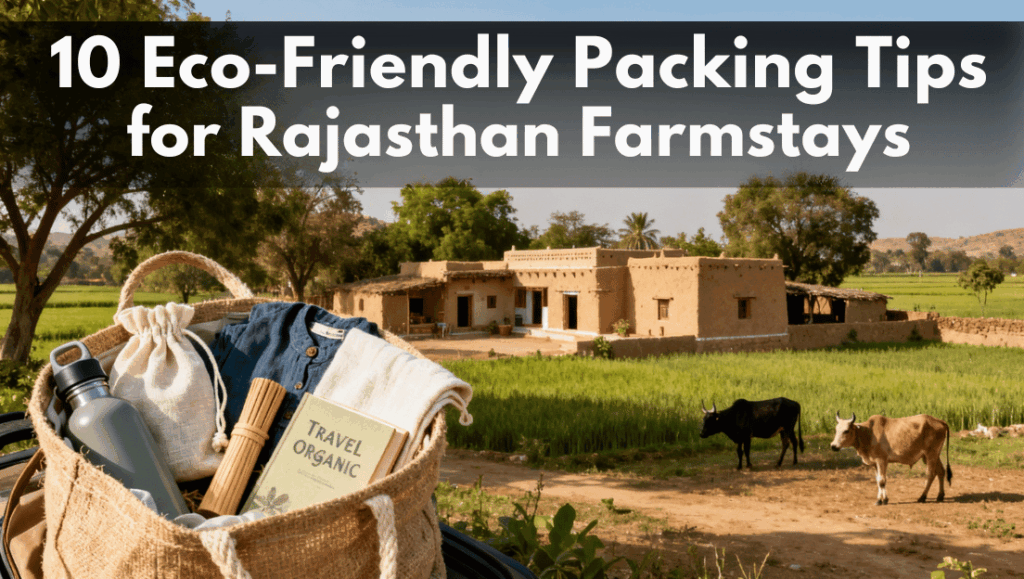
Mindful Travel for the Dry Lands of Kotputli, Rajasthan Staying at a farmstay in Rajasthan is fundamentally different from staying in a city hotel. In regions like Kotputli, life unfolds at a slower, more eternal pace—not by choice alone, but by necessity. Rainfall here is limited and unpredictable. Summers are long and intense. Farming depends on careful planning, traditional wisdom, and crops that can survive dry soil and harsh sunlight. Every daily decision—from how water is used to what is grown in the fields—is shaped by these realities. When you visit a place like OFFGRID RAJASTHAN, you step into a way of life where sustainability is woven into routine living. Water is reused thoughtfully. Energy is conserved. Food is grown with patience, not excess. Nothing is wasted casually. That is why eco-friendly travel in Kotputli does not begin after you check in. It begins much earlier—with what you choose to pack. Packing thoughtfully is a quiet but powerful act. It helps protect local resources, supports traditional farming and living practices, and allows you to experience Rajasthan as it truly is, rather than as a tourist bubble. When your belongings align with the land you’re visiting, your stay becomes more respectful, more meaningful, and far more enriching. Below is a detailed guide to packing responsibly for a farmstay in Kotputli and other dry regions of Rajasthan, where mindful living is not a concept, but a daily discipline. 1. Carry Reusable Water Bottles Water Is Limited and Carefully Used Kotputli lies in a semi-arid zone. Water comes mainly from rainwater harvesting and groundwater, both of which are closely monitored. When visitors rely on packaged water bottles, plastic waste increases and water use becomes less controlled. What to pack Why this mattersWater conservation in Rajasthan is part of daily life. Carrying your own bottle reduces plastic waste and respects local water practices. 2. Choose Cotton, Khadi, and Handloom Clothing Dress According to the Climate, Not Fashion Trends The dry heat of Rajasthan makes synthetic fabrics uncomfortable and unnecessary. Local communities have relied on cotton and handwoven textiles for centuries because they work. What to pack Avoid These choices reduce water use and support sustainable textile traditions.. 3. Bring Biodegradable Toiletries What You Use Eventually Returns to the Soil At OFFGRID RAJASTHAN, wastewater often flows through natural filtration systems before returning to the land. Chemical-heavy products disrupt this balance. What to pack Why it mattersHealthy soil is essential for farming in dry regions. Harsh chemicals weaken soil quality over time. 4. Avoid Disposable Food Packaging Support Zero-Waste Food Habits Farmstays usually serve meals prepared from local grains, vegetables, and seasonal produce. Disposable snack packaging creates waste that rural areas struggle to manage. What to pack What to avoid Rajasthan’s traditional food culture naturally supports low-waste living. 5. Carry a Cloth Bag for Local Markets Reduce Plastic in Rural Ecosystems Village markets around Kotputli sell fresh vegetables, grains, and handmade items. Plastic bags often end up burned or dumped. What to pack This small step helps keep farmlands and village surroundings cleaner. 6. Use Natural Mosquito Repellents Protect Yourself Without Harming Crops Insects appear during certain seasons, especially near fields and stored water areas. What to pack Avoid Natural repellents are safer for you, farm animals, and crops. 7. Bring Low-Energy Gadgets and Limit Electronics Respect Off-Grid Energy Systems OFFGRID RAJASTHAN often relies on solar power and minimal electricity use. Smart packing Reducing energy demand supports the off-grid system and improves your experience of rural life. 8. Pack Durable Footwear The Land Is Uneven and Natural Farm paths, dry soil, and open fields require sturdy footwear. What to choose Fast-fashion footwear wears out quickly and adds to waste. 9. Carry Reusable Cutlery and Cups Simple Tools Make a Big Difference From morning chai to meals served outdoors, reusable items reduce daily waste. What to pack This fits naturally into the farmstay lifestyle 10. Pack Awareness and Willingness to Learn The Most Important Thing You Bring Respect local practices and observe how people live with limited resources. Farming in Kotputli is based on resilience, not abundance. Why Eco-Friendly Packing Matters in Rajasthan Dry regions like Kotputli function through balance. Rainfall is limited, summers are intense, and farming depends on careful use of water and soil. Every resource is used with intention. When travelers pack responsibly, they reduce stress on these fragile systems. Reusable bottles, low-waste essentials, and biodegradable products help conserve water and protect farmland from pollution. Eco-friendly packing also supports sustainable farming and respects off-grid living systems. At OFFGRID RAJASTHAN, this approach is part of community care, ensuring that travel benefits both visitors and the land they experience. Ready to Experience Sustainable Farm Living in Kotputli? Step away from fast travel and crowded destinations. At OFFGRID RAJASTHAN, life moves at a pace shaped by the land. Water is used thoughtfully. Food is grown seasonally. Energy is managed carefully through off-grid systems. Your stay is not just about rest. It is about understanding how dry-land farming works, how communities live with limited resources, and how sustainability becomes part of everyday routines. If you are looking for meaningful travel that respects nature and supports local livelihoods, this is where it begins. 👉 Plan your farmstay at OFFGRID RAJASTHAN today🌐 Visit: https://www.offgridrajasthan.com📞 Call or WhatsApp: +91 9313175332📧 Email: offgridrajasthan2024@gmail.com 📍 Location:Off Grid RajasthanNear Govt ITI, ITI RoadKotputli, Rajasthan – 303108 Travel lightly. Learn deeply. Leave with understanding that stays with you.

Blogs, Homestay, Hydroponics, Organic Farming

How Cultural Exchange Programs Enrich Travel Experiences in India

🧳 The Magic of Cultural Immersion Imagine stepping into a vibrant tapestry of colors, sounds, and flavors—where every street corner tells a story, and every face reflects a rich heritage. This is the essence of India, a land where ancient traditions coexist with modern aspirations. But how can travelers truly experience this depth? The answer lies in cultural exchange programs. These programs offer more than just sightseeing; they provide an opportunity to live the culture. Whether it’s participating in a traditional dance in Rajasthan, learning to cook authentic South Indian dishes, or celebrating Diwali with a local family, cultural exchange programs immerse travelers in the heart of India’s diverse traditions. 🌍 Bridging Worlds, One Experience at a Time Cultural exchange is a two-way street. While travelers gain insights into Indian customs, they also share their own cultures, fostering mutual respect and understanding. This exchange breaks down stereotypes, builds friendships, and creates a global community united by shared experiences. For instance, consider the collaboration between India and France’s Val de Loire region. This partnership aims to enhance cultural exchanges, promote collaborative projects, and encourage cooperation among museums and cultural institutions in both regions. 🕺 Living Like a Local The true essence of a place is best understood by living among its people. Cultural exchange programs often involve homestays or community-based stays, where travelers reside with local families or communities, gaining firsthand experience of daily life. This setup allows for deeper connections, authentic experiences, and a genuine understanding of the culture, creating memories that last a lifetime. Travelers learn not just about customs, but about the values, stories, and rhythms that shape everyday life in India. 🎨 Learning Through Festivals and Traditions India’s festivals are a kaleidoscope of colors, music, and rituals. Participating in these celebrations provides travelers with a unique insight into the country’s spiritual and cultural fabric. From the grandeur of Durga Puja in Kolkata to the serenity of Onam in Kerala, each festival offers a distinct experience. The Surajkund International Crafts Mela in Haryana is another example, showcasing India’s rich craftsmanship and cultural diversity. This mela serves as a forum for intercultural dialogue and the sharing of creative concepts. 🌱 Personal Growth and Global Citizenship Engaging in cultural exchange programs fosters personal growth. Travelers develop empathy, adaptability, and a broader worldview. They learn to navigate cultural nuances, communicate across barriers, and appreciate diversity. These experiences also contribute to global citizenship, as individuals become more aware of global issues and are motivated to contribute positively to the world. 🏜️ Off Grid Rajasthan – A Unique Cultural Immersion Among India’s diverse offerings, Off Grid Rajasthan stands as a shining example of immersive, sustainable, and meaningful travel. Located in the heart of Rajasthan, this program invites participants to disconnect from city life and step fully into the rhythms of rural India. Here, travelers don’t just observe—they engage, participate, and contribute. The program is thoughtfully curated to provide a mix of cultural, practical, and fun activities, offering a holistic experience of rural Rajasthani life: Village Work 🏡 – Assist in daily chores, experience the charm of simple living, and connect with locals on a human level. Tractor or Cart Riding 🚜 – Enjoy rustic rides through lush fields, soaking in the scenic countryside. Cycling on Village Roads 🚴 – Explore quaint lanes and interact with villagers, understanding their way of life firsthand. School Visit 📚 – Meet students, exchange knowledge, and learn about India’s education system from a local perspective. Shop Like a Local 🛍️ – Wander vibrant village markets, learn bargaining skills, and discover local crafts. Local Food & Cuisine 🍲 – Participate in cooking sessions and relish authentic home-cooked meals, gaining insight into regional flavors. Milking the Cow 🐄 – Experience traditional dairy farming, learning techniques passed down through generations. Hydroponic & Other Farming Activities 🌱 – Engage in sustainable farming practices, including hydroponics, and participate in planting and harvesting. Pottery 🏺 – Create clay masterpieces under the guidance of local artisans. Mehendi (Henna) Art ✋ – Learn the cultural significance while enjoying intricate henna designs. Vegetable & Fruit Picking 🍅🍋 – Harvest fresh produce and understand organic farming techniques. Plantation Activity 🌳 – Contribute to environmental conservation by planting trees. Traditional Sports (Guli Danda & More) ⚽ – Play games that have entertained rural communities for generations. Handicraft & Artisan Demonstration 🧵 – Observe skilled artisans at work, learning about traditional crafts. Every activity is designed to immerse participants in the local culture while promoting sustainability, empathy, and hands-on learning. It’s not just tourism—it’s a journey into the heart of rural India. 🌟 The Transformative Power of Cultural Exchange Cultural exchange programs have the remarkable ability to change the way we see the world—and ourselves. They gently push us out of our comfort zones, challenging our assumptions and encouraging us to approach life with curiosity and openness. By sharing meals, stories, and daily experiences with people from different backgrounds, travelers begin to see the common threads that connect us all, rather than the differences that divide us. These experiences often leave a lasting impression, fostering empathy, patience, and a deeper understanding of diverse ways of life. In many cases, travelers return home not just with souvenirs or photos, but with new perspectives, meaningful friendships, and a richer appreciation for the world’s vibrant tapestry of cultures. Simply put, cultural exchange is not just about learning—it’s about growing, connecting, and realizing that every interaction has the power to make us more compassionate and open-hearted. 📸 A Visual Journey To truly experience the richness of cultural exchange in India, picture these unforgettable moments: Learning Traditional Rajasthani Crafts 🎨 – Visitors try their hand at pottery, block printing, and embroidery under the guidance of local artisans. Participating in Village Life 🌾 – From organic farming workshops to daily routines with local families, travelers live the rhythm of rural Rajasthan. Celebrating Festivals and Traditions 🕯️ – Engaging in authentic celebrations, folk music, and dance, creating memories far beyond the usual tourist experience. Off Grid

Blogs, Homestay, Organic Farming

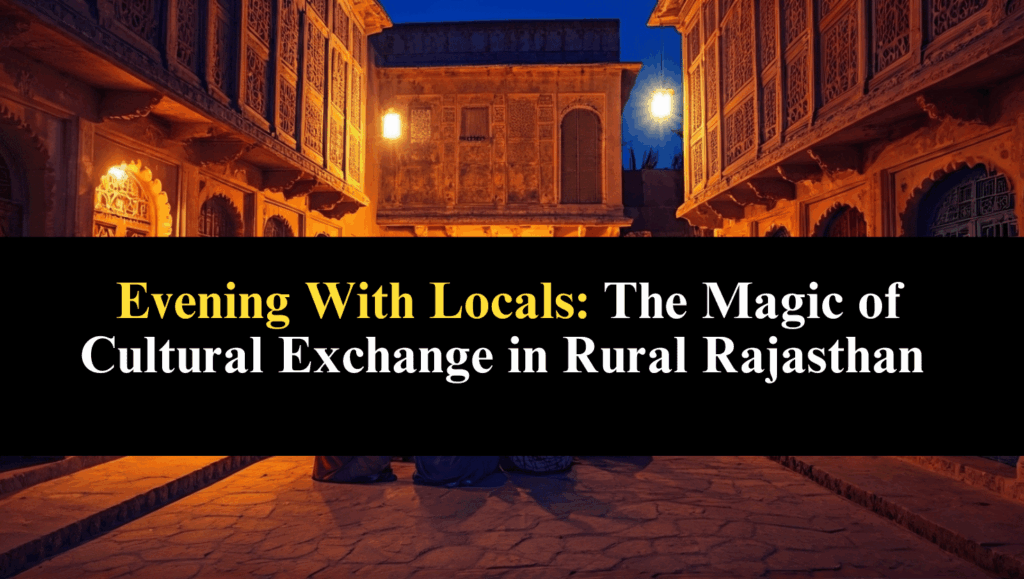
🌙✨ Evening With Locals: The Magic of Cultural Exchange in Rural Rajasthan ✨🌙

There’s something magical about evenings in Rajasthan. The sun dips behind the dunes, the sky turns shades of gold and violet, and the air fills with the warmth of chai, the rhythm of folk songs, and the laughter of children returning home from the fields. 🌾✨ In these twilight hours, travelers are not just observers — they are welcomed into courtyards, kitchens, and conversations. Here, under starlit skies, true cultural exchange begins. This is the Rajasthan most tourists never see — not the palaces and forts, but the heart of village life, where hospitality is woven into every smile and every shared meal. And it’s in these moments, with locals, that travel transforms into something far deeper. 🧡 Why Evenings Matter in Rural Rajasthan Daytime in Rajasthan is vibrant — colorful bazaars, forts standing tall, bustling streets filled with artisans. But evenings? They slow down. They invite you to sit, breathe, and belong. An “evening with locals” isn’t about sightseeing. It’s about: It’s in these moments that walls dissolve. You’re not a tourist anymore — you’re a guest, a friend, and often, family. 🌍 A Story of Connection Emma, a traveler from the UK, recalls her first evening in a Rajasthani village. She was expecting a performance but instead found herself rolling rotis with a grandmother, fumbling at first and then laughing as the dough puffed over the fire. Later, children taught her a folk song, clapping along until she joined them. “That evening changed me,” she said. “I didn’t feel like a visitor. I felt like part of a family. It wasn’t about watching — it was about living.” Stories like Emma’s are common. And they show us the real magic of cultural exchange: it isn’t staged, it’s shared. 🎶 What Makes an Evening Unforgettable? Every evening is different, but some elements never fail to leave their mark: ✨ Shared Food & Cooking Sessions – Learning to spice a curry or bake bajra rotis with a local family makes you part of their kitchen memories.✨ Folk Music & Dance – The Manganiyars and Kalbeliyas don’t just perform; they invite you in. A borrowed dholak, a twirl of the skirt, and suddenly you’re not a spectator but a participant. 💃✨ Storytelling by Firelight – Legends of kings, folk heroes, and desert spirits come alive when told by village elders in the glow of lanterns.✨ Crafts & Art – Pottery, mehendi, or embroidery workshops let you try your hand at traditions that have shaped Rajasthan for centuries. 🎨✨ Simple Joys – Playing games with children, learning a Marwari phrase, or sipping sweet chai while watching constellations bloom above. 🌌 Each small moment becomes a piece of memory, stitched forever into your travel experience. 📸 The Sensory Palette of an Evening To imagine an evening with locals, picture this: 👃 The smell of woodsmoke and cumin rising from a clay stove.👂 The sound of a been (flute) blending with the laughter of children.👅 The taste of hot ghee-drenched rotis with tangy pickles.👀 The sight of colorful turbans and bright dupattas glowing under lantern light.🤲 The touch of cool clay as you shape your first pot on a village wheel. It’s not just culture you experience — it’s all your senses awakening together. 🌱 Why Cultural Evenings Matter Beyond their beauty, cultural evenings hold deeper meaning: These evenings remind us that travel is not just about places, it’s about people. And every shared song or smile plants a seed of understanding. 🌍💛 🏜️ Off Grid Rajasthan – A Unique Cultural Immersion Among the many cultural initiatives across India, Off Grid Rajasthan stands apart as a sanctuary of authenticity, responsibility, and soulful human connection. Nestled in the heart of rural Rajasthan, it is not simply a place to visit—it is an invitation to live the rhythm of village life, to slow down, and to embrace the beauty of simplicity. An evening spent here is unlike any ordinary travel experience. As the sun dips low, casting golden light across the fields, guests often find themselves gently folded into the fabric of local life. It may begin with lending a hand in simple village chores, a warm smile from an elder guiding you through tasks that feel both grounding and refreshing. The experience flows seamlessly into rustic joys like a tractor or cart ride through the countryside, where the open air and endless fields remind you how freeing simplicity can be. Children wave as you cycle past narrow lanes, and perhaps you pause to visit the village school, where laughter, curiosity, and innocent questions blur the lines between guest and host. Soon, you are drawn into the heart of a family kitchen, where fragrant spices sizzle and you cook side by side with locals, sharing recipes and laughter before sitting down to relish a homecooked Rajasthani meal. The evening gently unfolds into deeper cultural encounters. You might find yourself learning the art of pottery or henna, listening to artisans speak with pride about traditions carried through generations. Or perhaps, as dusk deepens, the first notes of folk music rise in the air. Drums beat, voices soar, and feet move in unison, drawing you into a dance that erases the boundary between traveler and villager. By the time elders gather under the stars to tell tales of deserts, kings, and folk heroes, you are no longer an observer—you are part of the circle, wrapped in stories and starlight. And just when you think the night couldn’t be richer, moments of quiet reflection arrive. Planting a tree in the soil, playing a traditional game like guli danda with children, or simply gazing at the starlit sky—all become memories that etch themselves in your heart. At Off Grid Rajasthan, nothing feels staged or hurried. Every interaction, every shared meal, every story exchanged is designed not to be consumed but to be lived. The evenings become tapestries of food, music, laughter, and connection—woven with threads of sincerity and warmth. 🌌 👉 To explore more about their cultural exchange programs,

Blogs, Homestay, Hydroponics, Nurcery, Organic Farming

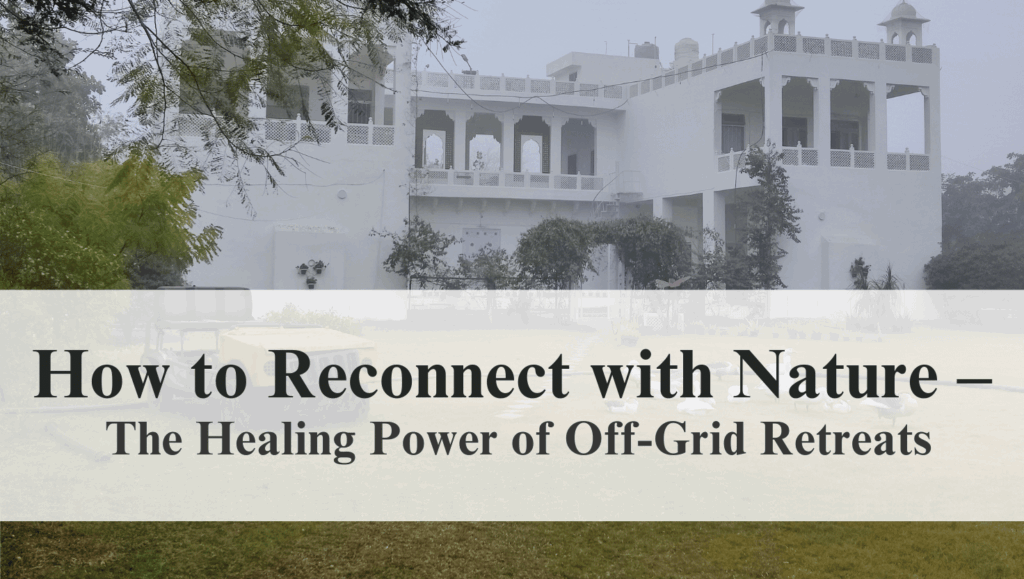
How to Reconnect with Nature –The Healing Power of Off-Grid Retreats

🌆 From Concrete Jungle to Countryside Calm I remember one evening, sprawled on my apartment sofa, phone in hand, mind buzzing with notifications. The city outside never seemed to stop—horns blaring, tires screeching, people rushing, a siren wailing somewhere in the distance. 🌆 I looked at the tiny plant on my windowsill, its leaves drooping sadly, and suddenly felt a pang. When was the last time I heard a bird sing? You know that feeling—your brain is overloaded, your body stiff, and yet, somewhere deep down, you crave something different. A space where the air is sweet and clean, where the only alarms are sunrise and bird calls, and where time itself seems to slow down. 🌳💛 Now, imagine stepping out of that concrete cage. Your feet sink into soft grass, the wind brushes your cheeks, and the sky stretches endlessly, unbroken by buildings. You hear leaves rustling, birds calling, and the quiet pulse of life beyond screens and schedules. This is not just a walk in the park—it’s a gentle reconnection with yourself. It’s a moment where your mind breathes, your body relaxes, and your soul stretches. 🌎 Why Reconnecting with Nature Matters Life moves too fast. Deadlines, emails, traffic, and constant pings—our world leaves little space for calm. Nature is that pause button we never press. The whisper reminding us what truly matters. And science backs it up: time spent outdoors heals, both physically and mentally. 🧠 Mental Health Benefits There’s something almost magical about being under the canopy of trees. In Japan, the practice of forest bathing (Shinrin-yoku) has shown that just 20 minutes in the woods lowers anxiety and reduces cortisol—the stress hormone—by up to 20%. 🌲 Even a short 10-minute walk in a local park can make your day feel lighter. Listen to the leaves rustling. Smell the earth after rain. Breathe deeply and just be. Over time, these tiny pockets of calm become shields against the stress of modern life. Nature’s therapy doesn’t need a prescription. 💚 ☀️ Physical Health Benefits Being outdoors moves your body in ways a treadmill never can. Hiking strengthens your heart. Walking lowers blood pressure. Even stretching under a tree improves flexibility. 🌿 Feel the warmth of the sun on your skin, breathe deeply, walk barefoot across dewy grass. Your body responds with energy, vitality, and a sense of groundedness that no office can ever give you. 🌱 Environmental Awareness Time spent in nature awakens a natural care for the world around us. Spotting litter on a trail or fragile habitats encourages small actions: planting trees, reducing waste, choosing sustainable options. Every mindful choice ripples outward. 🌼♻️ It’s not just about feeling better—it’s about becoming part of something larger, a world that heals as you heal. 🏙️ The Modern Barriers And yet… stepping into nature isn’t always easy. Between urban life, digital overload, and packed schedules, carving out moments of calm can feel impossible. 🏢 Urban Life and Busy Schedules In cities, green spaces are rare. Commuting, office hours, and noise make it easy to forget trees exist. Start small: grow herbs on your balcony, explore hidden pocket parks, or take a 15-minute outdoor break during lunch. 🌿 These tiny rituals reconnect you with the natural world and provide a vital breath of calm. 📱 Digital Overload Our screens dominate our attention. Notifications pull us in, leaving no room for birdsong, the wind, or silence. Try a phone-free walk. Notice the details you never saw before—the texture of bark, the shimmer of leaves, the way sunlight dances across the ground. The world comes alive in ways a feed never can. 🌾 Feeling Unsure Fear or inexperience can hold you back. “What if I get lost? What if I see nothing new?” Start gently. Birdwatching apps, simple field guides, or a friend’s company can make all the difference. Nature is endlessly patient, curious, and forgiving. 🌅 Simple Daily Practices You don’t need a weekend in the woods to reconnect. Small, mindful habits can anchor you: Open your curtains each morning and feel the sunlight. ☀️ Sip your coffee outside, watch squirrels chase each other, and just notice. 🐿️ Take a 10-minute walk during lunch, observing trees, flowers, or clouds. 🌳 🌿 7-Day Nature Challenge These simple exercises train your senses, anchor your mind, and help you reconnect with the rhythm of the natural world. 🌄 Off-Grid Retreats: Total Immersion For a deeper escape, off-grid retreats offer something unique: a world with no Wi-Fi, no traffic, no alarms—just stars, wind, and birdsong. These retreats cultivate self-reliance, environmental stewardship, and inner calm. Living off-grid means relying on solar power, rainwater harvesting, and composting systems. Weekends spent in solar-powered cabins, hiking scenic trails, or practicing yoga by rivers reset the mind, strengthen the body, and foster skills that last a lifetime. Benefits of off-grid living: Mental clarity: absence of screens improves focus and reduces stress. Physical wellness: hiking, chopping wood, outdoor tasks strengthen naturally. Sustainability: learn eco-friendly habits for life. Personal growth: skills like fire-starting, foraging, and journaling boost confidence. Top destinations worldwide include Pacific Northwest cabins, Costa Rican jungle lodges, and Swiss alpine huts. 🌍 🌾 A Soulful Escape in Rural Rajasthan Now, picture a countryside retreat in Rajasthan. Golden fields stretch endlessly, the air is crisp, and life flows with a natural rhythm. 🌾💛 This isn’t just a place—it’s a gentle invitation to reconnect with yourself, with nature, and with traditions centuries old. Here, rustic farmhouses blend charm with modern comfort. Stargazing under unpolluted skies, cozy nights around a fire, quiet walks through open fields… every moment invites you to slow down, breathe deeply, and savor simplicity. 🌌🔥 🌸 Experiences That Touch the Soul Beautiful Exploration: Gentle nature walks immerse you in the landscape. 🐪🌄 Hands-On Learning: Hydroponic farming, bonsai making, and vermiculture teach sustainable skills while reconnecting you to the earth. 🌱💧 Wellness & Mindfulness: Yoga at sunrise, meditation under the stars, journaling by the campfire. Each practice clears mental clutter and nourishes the soul. ✨🧘‍♀️ Cultural Immersion: Learn

Blogs, Homestay, Hydroponics, Organic Farming

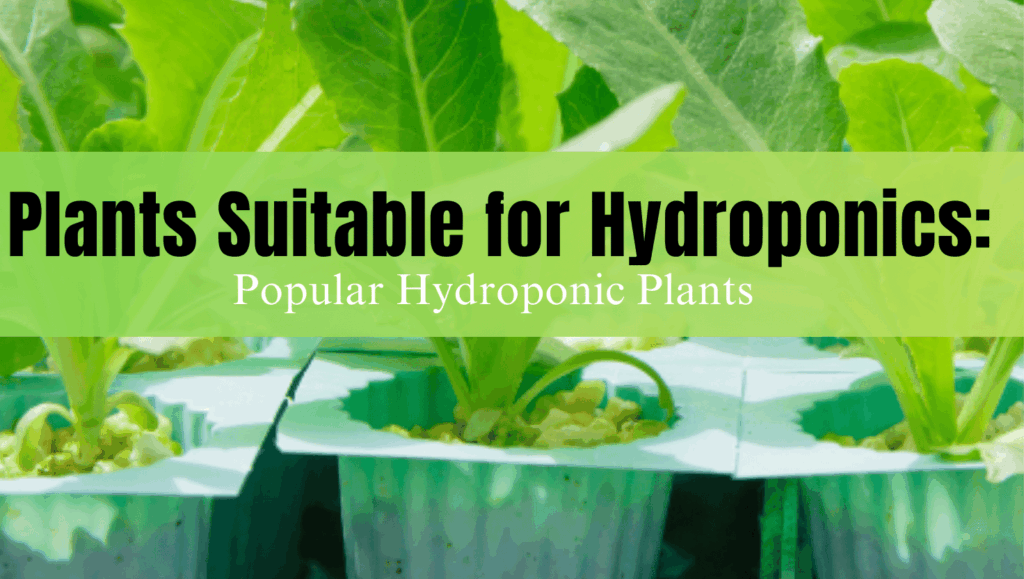
🌱 Plants Suitable for Hydroponics: Popular Hydroponic Plants 💧

Have you ever picked up a crisp, vibrant head of lettuce at the store and wondered how it got so perfect? Or maybe you’ve heard about hydroponics in the news—those high-tech, ultra-modern grow setups that seem almost magical. But here’s the secret: hydroponics isn’t just for futuristic farms or fancy restaurants. It’s quietly revolutionizing the way we grow food, especially in cities where soil is scarce, and water is precious. Imagine this: a small terrace, a sunny balcony, or even a corner of your rooftop transformed into a lush, green oasis. Fresh herbs for your cooking, leafy greens for your salads, vibrant tomatoes for your meals—all growing in water, nurtured by your hands, completely pesticide-free. Each leaf, each fruit, is alive with flavor, nutrients, and love. Hydroponics is more than growing food—it’s a lifestyle. It’s about choosing sustainability, efficiency, and wellness. Water usage drops dramatically, space becomes limitless, and even companion plants like citronella or marigold can keep pests away while adding beauty and fragrance 🌼. Whether your dream is to make your kitchen greener, provide your family with wholesome produce, or simply connect with nature, hydroponics makes it possible—and joyful. 🥗 Leafy Greens – Quick, Fresh, and Rewarding Let’s start small, with the gentle green magic of leafy vegetables. Lettuce, spinach, kale, and Swiss chard are not just nutritious—they are incredibly forgiving for beginners. Imagine checking your trays every morning and seeing your lettuce leaves stretch and grow, ready for harvest in just 30–40 days. Spinach enjoys slightly cooler water, while kale and chard reward your patience with nutrient-packed, antioxidant-rich leaves. Hydroponics gives you freedom: year-round harvests, vibrant colors, and leaves free from pesticides. No matter the season outside, your salads stay crisp, fresh, and safe. You can experiment with different varieties, mix colors and textures, and even surprise your friends and family with your very own garden-fresh meals. 🌿 Herbs – Small Leaves, Big Possibilities Close your eyes for a moment and picture this: a tiny balcony filled with fragrant basil, mint, coriander, and thyme. Just a few square feet of space, and you have a constant supply of flavor, wellness, and aromatic delight. Hydroponics allows herbs to grow densely without fighting for nutrients, giving you lush, healthy leaves every day. Herbs aren’t just tasty—they’re magical. Mint for refreshing drinks, coriander for curries, basil for your pasta, thyme for soups. And did you know that herbs also bring health benefits? Mint aids digestion, basil boosts immunity, and thyme carries antimicrobial properties. Growing them hydroponically isn’t just gardening—it’s a daily act of self-care and creativity . 🍅 Fruiting Vegetables – Juicy, Vibrant, and Delicious Now let’s talk about the stars of your kitchen garden: fruiting vegetables . Tomatoes, cucumbers, bell peppers, and brinjals can struggle in urban soil, but hydroponics gives them the perfect environment. Picture rows of cherry tomatoes ripening under your care, juicy cucumbers waiting to be sliced, and bell peppers turning red, yellow, and orange in neat little rows. Hydroponics ensures that your plants get exactly what they need—consistent nutrients, optimal light, and perfect humidity. The result? Faster growth, higher yields, and fruits that taste fresher and sweeter than anything store-bought. And here’s a bonus: even a small vertical setup can produce enough for your family, or for a small business supplying local kitchens. 🌱 Microgreens – Tiny Leaves, Big Nutrition If you’re short on space or time, microgreens are your secret superpower. Radish, broccoli, sunflower, mustard—they may be tiny, but they are packed with vitamins, minerals, and antioxidants. And the best part? They’re ready in just 7–14 days! Imagine sprinkling freshly harvested microgreens over your morning smoothie, sandwich, or salad. They add color, crunch, and a powerful nutritional boost. Even a small tray on your windowsill can become a thriving green patch, transforming your meals and your mood with just a little care and water. 🥬 Exotic Vegetables – Bring the World Home Hydroponics is your passport to global flavors. Arugula, bok choy, zucchini, specialty broccoli—even rainbow chard—can now grow locally, in your home or terrace garden. These exotic vegetables allow you to explore new tastes and add variety to your meals without waiting for markets to deliver. It’s a culinary adventure right at home! Your small space becomes a living, breathing garden of discovery, where each plant tells a story of curiosity, patience, and creativity. And the best part? You control every step, from seed to plate, ensuring freshness and flavor unmatched by anything you buy 🌟.  🌿 Medicinal & Aromatic Plants – Healing at Home Hydroponics goes beyond food. It’s about wellness. Tulsi, aloe vera, ashwagandha, lemongrass, peppermint—these plants thrive in water-based systems and offer powerful benefits. Tulsi supports immunity 🌿, aloe vera nurtures your skin, and ashwagandha helps reduce stress. Imagine harvesting fresh tulsi leaves for your morning tea 🍵, or using home-grown aloe vera for a soothing skincare routine. Hydroponics bridges modern gardening and traditional medicine, giving you access to pure, potent plants all year round. Caring for these plants isn’t just gardening—it’s a ritual of health, mindfulness, and connection to nature . 🌊 Why Hydroponics Matters Hydroponics isn’t just a gardening trend—it’s a movement. It helps people grow food sustainably, even with limited resources: Hydroponics reconnects us with our food, gives us control over quality, and makes growing plants a daily joy. It’s a lifestyle where science meets nature, and efficiency meets creativity. 🌈 Your Green Journey Awaits Starting a hydroponic garden is like beginning a story—your story. Each plant becomes a chapter, from leafy greens to exotic vegetables. Even a tiny terrace or windowsill can transform into a lively garden where every morning brings discovery, nourishment, and joy. Guides like Offgrid Frajasthan help you take that first step, showing you how to set up your system, select plants, and maintain thriving plants. You’ll learn about nutrients, pH levels, lighting, and temperature management—all the science behind successful soilless gardening . With just a few seeds, some water, and your care, you can create a lush oasis at home. Hydroponics

Blogs, Organic Farming

Organic Farming Practices in Rajasthan

Rajasthan, a state known for its arid climate and rich cultural heritage, is also emerging as a hub for organic farming. This sustainable agricultural practice is gaining popularity due to its environmental benefits, health advantages, and economic opportunities. In this blog, we will explore the various organic farming practices adopted in Rajasthan and their impact on the region. What is Organic Farming? Organic farming is a method of agriculture that emphasizes the use of natural resources and avoids the use of synthetic chemicals, such as pesticides, herbicides, and fertilizers. It prioritizes soil health, biodiversity, and ecological balance while producing high-quality, nutritious food. Why Organic Farming in Rajasthan? Rajasthan, with its diverse landscapes and varying climatic conditions, presents unique challenges and opportunities for organic farming. Some of the key reasons for promoting organic farming in the state include: Environmental Benefits: Organic farming helps protect the environment by reducing soil erosion, conserving water resources, and promoting biodiversity. It also helps mitigate climate change by sequestering carbon in the soil. Health Benefits: Organic food is generally considered healthier as it is free from harmful synthetic chemicals. It can provide essential nutrients and contribute to overall well-being. Economic Opportunities: Organic farming can create new economic opportunities for farmers, especially in rural areas. It can increase their income and improve their livelihoods. Preservation of Traditional Knowledge: Organic farming often involves traditional agricultural practices that have been passed down through generations. It helps preserve valuable knowledge and skills. Organic Farming Practices in Rajasthan Rajasthan has witnessed a significant growth in organic farming in recent years. Some of the common organic farming practices adopted in the state include: Crop Rotation: This practice involves growing different crops in the same field in rotation to improve soil fertility, reduce pest and disease pressure, and maintain biodiversity. Intercropping: Planting multiple crops together in the same field can enhance soil health, attract beneficial insects, and increase productivity. Green Manure: Using plant residues as a natural fertilizer can improve soil fertility and reduce the need for synthetic fertilizers. Biodynamic Farming: A holistic approach to agriculture that emphasizes the use of biodynamic preparations and considers the spiritual and energetic aspects of farming. Organic Livestock Farming: Raising livestock without the use of hormones, antibiotics, or genetically engineered feed. Organic Dairy Farming: Producing milk and dairy products from organically raised cows. Challenges and Opportunities While organic farming offers numerous benefits, it also faces several challenges in Rajasthan, such as: Water Scarcity: Rajasthan is a drought-prone region, and water scarcity can be a major constraint for organic farmers. Soil Degradation: Years of intensive agriculture have led to soil degradation in many parts of Rajasthan. Market Access: Finding suitable markets for organic produce can be challenging, especially in rural areas. However, there are also significant opportunities for organic farming in Rajasthan. The state’s diverse climate and rich biodiversity can support a wide range of organic crops. Moreover, there is increasing consumer demand for organic products, both domestically and internationally. Conclusion Organic farming is a promising approach to sustainable agriculture in Rajasthan. By adopting organic practices, farmers can contribute to environmental protection, improve their livelihoods, and produce high-quality, nutritious food. As the demand for organic products continues to grow, it is essential to support and promote organic farming in Rajasthan.

Blogs, Organic Farming

Composting and Manure Management in Organic Farming: A Rajasthan Focus

Organic farming, a sustainable and eco-friendly approach to agriculture, is gaining significant traction globally. In India, particularly in the arid state of Rajasthan, organic farming is emerging as a promising alternative to conventional methods. Central to organic farming is the effective management of compost and manure, which serve as the backbone of soil fertility and crop health. The Importance of Composting and Manure in Organic Farming Compost and manure are organic matter decomposed into nutrient-rich substances that enhance soil structure, improve water retention, and provide essential nutrients to plants. These organic inputs are indispensable for organic farming, as they replace synthetic fertilizers and pesticides, promoting ecological balance. Benefits of Composting and Manure Soil Improvement: Compost and manure add organic matter, improving soil structure, aeration, and water-holding capacity. Nutrient Supply: They provide essential nutrients like nitrogen, phosphorus, and potassium, supporting plant growth and development. Suppression of Pests and Diseases: Healthy soil fostered by compost and manure can naturally resist pests and diseases. Environmental Benefits: Reduced reliance on chemical fertilizers and pesticides minimizes pollution and protects biodiversity. Composting Practices in Organic Farming Composting is a natural process of decomposing organic materials into nutrient-rich humus. In the context of organic farming in Rajasthan, where resources can be limited, effective composting is crucial. Types of Compost Farm Yard Manure (FYM): Derived from livestock excreta and bedding, FYM is a rich source of nutrients and organic matter. Vermicompost: Produced using earthworms to accelerate decomposition, vermicompost is high in nutrients and beneficial microorganisms. Green Manure: Incorporating green leafy crops into the soil after they’ve grown to a certain stage, green manure adds organic matter and nitrogen. Composting Process Collection of Organic Materials: Gather organic waste like plant residues, kitchen scraps, and livestock manure. Preparation of Compost Pit: Construct a compost pit or use a compost bin. Layering: Create layers of organic materials, alternating with soil or compost starter. Moisture Maintenance: Ensure the compost pile is moist but not waterlogged. Turning: Regularly turn the compost pile to aerate and speed up decomposition. Curing: Allow the compost to mature for several weeks before use. Manure Management in Organic Farming Manure, primarily from livestock, is a valuable resource in organic farming. Effective manure management is essential to prevent nutrient loss and environmental pollution. Manure Handling Proper Storage: Store manure in covered pits or sheds to protect it from rain and leaching. Composting: Composting manure before application improves its nutrient content and reduces pathogens. Application Timing: Apply manure to fields based on crop requirements and soil analysis. Avoid Over-Application: Excessive manure can lead to nutrient imbalances and environmental issues. Challenges and Solutions in Composting and Manure Management Organic farmers in Rajasthan face specific challenges in composting and manure management due to the region’s arid climate and limited resources. Challenges Water Scarcity: Lack of water can hinder composting and manure management processes. Limited Livestock: In some areas, livestock populations may be insufficient to meet manure requirements. Soil Nutrient Deficiencies: Rajasthan soils often have low organic matter content. Solutions Water-Efficient Composting Techniques: Explore methods like bokashi composting that require less water. Integrated Nutrient Management: Combine organic inputs with inorganic fertilizers judiciously. Crop Rotation and Cover Crops: Improve soil health and nutrient availability. Livestock Integration: Consider integrating livestock rearing with crop production for manure generation. Case Studies of Successful Composting and Manure Management in Rajasthan Highlight successful examples of organic farmers in Rajasthan who have effectively implemented composting and manure management practices. Showcase their achievements and lessons learned. Conclusion Composting and manure management are fundamental to the success of organic farming in Rajasthan. By adopting sustainable practices and addressing the specific challenges of the region, farmers can improve soil health, enhance crop productivity, and contribute to environmental conservation.

Blogs, Organic Farming

The Joys of Organic Farming: Connecting with Nature and Growing Your Own Food

Have you ever dreamt of biting into a tomato so juicy and flavorful it bursts with sunshine? Or picking crisp lettuce for dinner, knowing exactly where it came from and how it was grown? Organic farming offers this and so much more. It’s a journey of reconnecting with nature, nurturing the earth, and reaping the rewards of your labor – literally! A Deeper Connection: Organic farming strips away the artificial and fosters a true connection with the natural world. You become an observer, understanding the delicate dance between sunlight, water, and soil that nourishes life. Witnessing the first sprout push through the earth, or a ladybug devour a pesky aphid, ignites a sense of wonder and appreciation for the intricate web of life. The Satisfaction of Self-Sufficiency: There’s an indescribable satisfaction in harvesting food you’ve grown yourself. From planting the seeds to watching them mature, you’re intimately involved in the creation of your sustenance. The knowledge that your food is free from harmful chemicals and nurtured with organic practices adds another layer of fulfillment. A Sanctuary for Nature: Organic farms become havens for beneficial insects, birds, and pollinators. By creating a healthy ecosystem, you’re not just growing food, you’re contributing to a thriving natural environment. Witnessing the return of butterflies, the buzz of bees, and the chirp of happy birds adds a delightful soundtrack to your farming experience. Beyond the Harvest: The joys of organic farming extend far beyond the bounty you harvest. It’s a form of exercise, providing a healthy dose of fresh air and sunshine. It’s a source of stress relief, the repetitive tasks becoming a form of mindful meditation. And it’s a chance to connect with your community, sharing your knowledge and experiences with fellow organic enthusiasts. Taking the First Step: Ready to embark on this rewarding journey? Organic farming can be practiced on any scale, from a small balcony herb garden to a sprawling vegetable patch. Researching beginner-friendly techniques, choosing organic seeds, and starting small are all great ways to begin. There are challenges, of course. But the sense of accomplishment, the connection with nature, and the delicious, healthy food you produce will make it all worthwhile. So, grab your gloves, get your hands dirty, and discover the joys of organic farming! The Joys of Organic Farming: From Seed to Supper Now that you’re inspired to delve into organic farming, let’s explore some practical steps to get you started. Here’s how you can turn your dream of homegrown food into a delicious reality: Know Your Space: Start by assessing your available space. A sunny balcony is perfect for herbs and leafy greens. A small backyard allows for raised beds bursting with vegetables like tomatoes, peppers, and eggplants. Research companion planting strategies to maximize space and create a thriving mini-ecosystem. Embrace the Power of Planning: Planning is key to success in organic farming. Research the best planting times for your region. Consider starting seeds indoors for a head start on the season. Sketch out a garden layout, factoring in sunlight needs and plant spacing. Prepare the Perfect Soil: Healthy soil is the foundation of a thriving organic farm. Amend your soil with organic matter like compost, aged manure, and worm castings. This fosters beneficial microbes that nourish your plants and promote healthy growth. Befriend the Beneficials: Ladybugs, lacewings, and praying mantises are nature’s pest control. Attract these beneficial insects by planting companion flowers like marigolds and dill. Encourage a healthy ecosystem to create a natural balance in your garden. Celebrate the Harvest: As your crops mature, the real joy begins! Harvest your homegrown bounty with pride. Savor the taste of a tomato ripened under the sun, or the sweetness of a strawberry picked at its peak. Share your harvest with friends and family, creating lasting memories. The Learning Never Stops: Organic farming is a continuous learning journey. There will be successes and setbacks, but each experience offers valuable lessons. Read books and blogs, connect with local gardening communities, and don’t be afraid to experiment. Embrace the challenges, and relish the rewards of your growing expertise. Remember, organic farming is more than just a way to grow food. It’s a way of life that connects you with nature, promotes sustainability, and nourishes both your body and soul. So, take the plunge, get your hands dirty, and discover the joys of organic farming!

Blogs, Organic Farming

Organic vs. Conventional Farming: A Side-by-Side Comparison

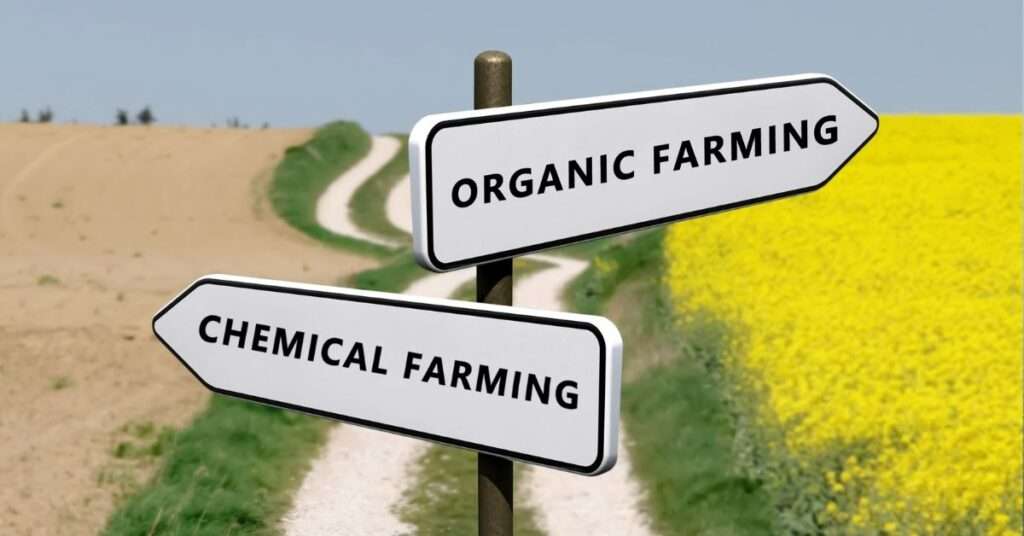
In today’s world, consumers are increasingly concerned about the origin and quality of their food. This has led to a growing interest in organic farming, particularly in states like Rajasthan, known for its rich agricultural heritage. But how does organic farming differ from conventional farming methods? Let’s delve into a side-by-side comparison to understand the key distinctions and their impact on our food, environment, and health. Organic Farming in Rajasthan: A Land of Tradition and Innovation Rajasthan, with its diverse landscapes and arid climate, presents unique challenges for agriculture. However, the state has a long history of traditional farming practices that often align with organic principles. These practices, combined with modern organic farming methods, hold immense potential for sustainable food production in the region. The Core Principles of Organic Farming Organic farming adheres to a set of strict guidelines that emphasize: Natural processes: Replacing synthetic fertilizers and pesticides with natural alternatives like compost, manure, and biological pest control methods. Soil health: Maintaining healthy soil fertility through crop rotation, cover cropping, and composting to promote beneficial microorganisms and nutrient availability. Animal welfare: Providing animals with access to natural environments and organic feed. Biodiversity: Encouraging a diverse range of plant and animal life on the farm, promoting a healthy ecosystem. Conventional Farming Practices: Conventional farming methods prioritize high yields and economic efficiency, often relying heavily on: Synthetic fertilizers: Chemical fertilizers provide a quick boost of nutrients but can deplete soil health in the long run and contribute to water pollution. Pesticides: Chemical pesticides effectively control pests but raise concerns about potential health risks for consumers and environmental contamination. Genetically Modified Organisms (GMOs): While the debate on GMOs continues, some conventional farms utilize genetically modified seeds. A Comparative Analysis: Key Differences Food Quality: Organic: Organic food generally contains higher levels of antioxidants and certain nutrients due to the focus on soil health and natural growing methods. Conventional: Conventional food may contain residual synthetic fertilizers and pesticides, raising potential health concerns. Environmental Impact: Organic: Organic farming promotes biodiversity, reduces soil erosion, and minimizes water pollution by avoiding harmful chemicals. Conventional: Conventional farming can contribute to soil degradation, water contamination from fertilizers and pesticides, and reduced biodiversity due to reliance on monoculture farming (growing a single crop repeatedly). Sustainability: Organic: Organic farming practices promote long-term soil health and sustainable food production for future generations. Conventional: Conventional farming can deplete soil health and rely on unsustainable practices like intensive resource use. Cost and Efficiency: Organic: Organic farming often requires more labor and may have lower yields in the short term. Organic food can also be costlier for consumers. Conventional: Conventional farming tends to be more cost-effective and efficient in terms of production yield. Organic vs. Conventional Farming in Rajasthan The arid climate and limited water resources in Rajasthan pose unique challenges for organic farming. However, the state government actively promotes organic farming practices through subsidies and training programs. This, combined with traditional farming methods, presents a promising opportunity for sustainable food production in the region. Looking Beyond: Hydroponic Farming as an Alternative While not strictly organic (as it often uses synthetic nutrients), hydroponic farming can be a water-efficient and productive option in arid regions like Rajasthan. However, the energy footprint of hydroponic systems needs careful consideration. The Best Choice for You The “best” choice between organic and conventional farming depends on your individual priorities. Organic farming offers health and environmental benefits but may come at a higher price. Conventional farming can be more affordable and efficient but may raise concerns about food quality and environmental impact. The Future of Farming The future of agriculture likely lies in a combination of approaches that prioritize sustainability, efficiency, and healthy food production. Organic and conventional farming methods can co-exist, with advancements in technology and research helping to bridge the gap between yield and environmental impact. Conclusion Understanding the differences between organic and conventional farming empowers consumers to make informed choices about the food they eat. By supporting organic farming practices in Rajasthan and exploring innovations like hydroponics, we can contribute to a more sustainable and healthy future for food production.

Organic Farming

Soil Health in Organic Farming

Rajasthan, the land of vibrant culture and majestic forts, is also facing a crucial challenge – soil degradation. Years of conventional farming practices have depleted vital nutrients and organic matter, impacting crop yields and overall agricultural sustainability. However, there’s a beacon of hope: organic farming. Organic farming is not just a trend; it’s a holistic approach to agriculture that prioritizes soil health. By nurturing the very foundation of life, organic practices lead to a healthier ecosystem, improved crop quality, and a more resilient future for Rajasthan’s agriculture. Why is Soil Health Crucial in Organic Farming? Healthy soil is the bedrock of organic farming. It’s a living ecosystem teeming with beneficial microbes, earthworms, and fungi. These organisms decompose organic matter, releasing essential nutrients for plants. Richer soil also holds water more effectively, reducing irrigation needs and mitigating droughts – a common concern in Rajasthan. Here’s how organic farming practices specifically benefit soil health: Composting and Manure: Organic farmers rely on composted food scraps, animal manure, and green manures to replenish the soil’s organic matter content. This organic matter feeds the soil food web, promoting microbial activity and nutrient cycling. Cover Crops: Planting cover crops between main seasons helps suppress weeds, prevent erosion, and fix nitrogen in the soil. These nitrogen-fixing legumes, like guar beans or cluster beans (guar phali and guar ki phali), enrich the soil for future crops. Reduced Tillage: Excessive tilling disrupts the delicate soil structure and harms beneficial organisms. Organic farmers minimize tillage, promoting better water infiltration and soil aeration. Techniques like no-till farming are gaining traction in Rajasthan, particularly for arid regions. Benefits of Organic Farming for Rajasthan Improved Crop Quality: Healthy soil translates into healthier crops. Organic farming practices lead to crops with higher nutritional value, better taste, and increased resistance to pests and diseases. Enhanced Water Retention: Organic matter acts like a sponge, absorbing and holding water in the soil. This is crucial for Rajasthan’s dry climate, reducing irrigation needs and making agriculture more water-efficient. Combating Climate Change: Organic farming promotes carbon sequestration in the soil. This helps mitigate climate change by storing atmospheric carbon dioxide and reducing greenhouse gas emissions. Finding the Best Organic Farming Practices in Rajasthan Rajasthan is witnessing a rise in organic farming initiatives. Several organizations and government programs are promoting organic practices and providing training to farmers. Here’s how you can get involved: Research: Organizations like the Rajasthan Organic Mission (ROM) and the Society for Promotion of Organic Farming (SPOF) are actively involved in organic agriculture. Explore their websites and contact them for training programs or resources. Connect with Local Farmers: Networking with experienced organic farmers in your region is invaluable. Learn from their successes and challenges, and explore collaborative opportunities. Off-Grid Rajasthan: Consider concepts like off-grid farming, which integrates organic practices with sustainable living. This approach can be particularly beneficial in remote areas of Rajasthan. The Road Ahead: Embracing Organic Farming The transition to organic farming requires dedication and patience. However, the long-term benefits for soil health, crop quality, and overall sustainability are undeniable. By embracing organic practices, Rajasthan’s farmers can cultivate a brighter future for themselves, the environment, and generations to come. Ready to take the first step? Explore the resources available from organizations like ROM and SPOF. Consider attending workshops, connecting with local organic farmers, and researching best practices for your specific region in Rajasthan. Together, we can cultivate a thriving organic agricultural landscape in the land of kings.

Scroll to Top