Offgrid Rajasthan

Hydroponics

Blogs, Hydroponics

Hydroponic Farming for Urban Dwellers: Growing Food in Small Spaces

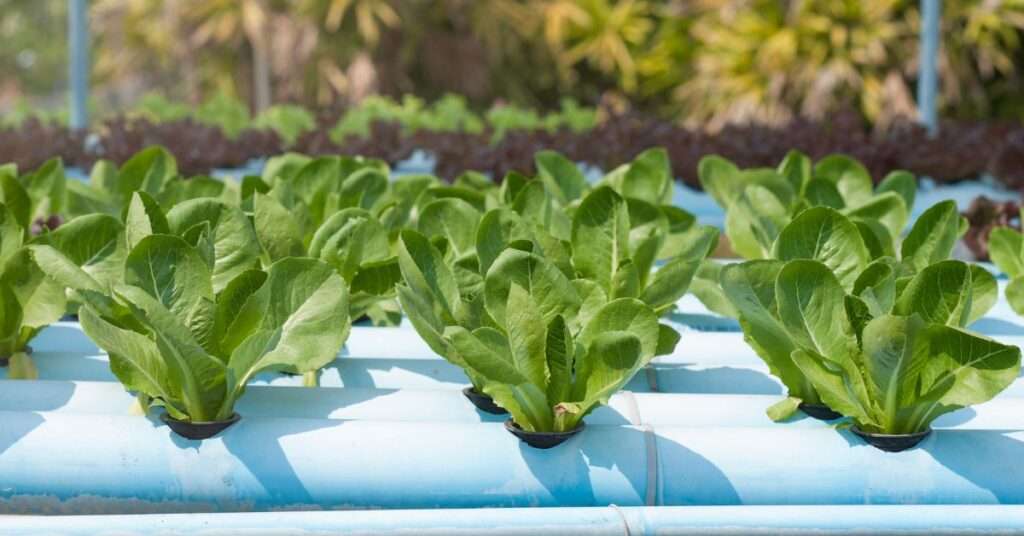
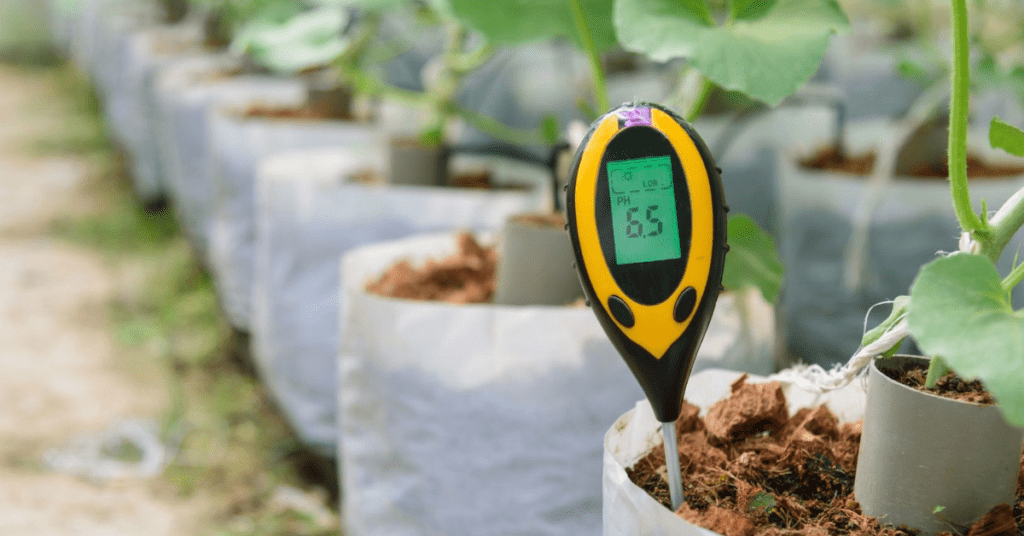
In an era of urbanization and limited space, the dream of growing fresh, organic produce seems distant for many. However, the advent of hydroponic farming has revolutionized the way we cultivate plants, making it possible to grow your own food even in the smallest of apartments. This article explores the potential of hydroponic farming in urban settings, with a specific focus on its applicability in Rajasthan, a state known for its arid climate and limited agricultural land. Understanding Hydroponic Farming It’s a sustainable and efficient way to cultivate crops, requiring significantly less water than traditional farming methods. This makes it an ideal choice for regions like Rajasthan, where water scarcity is a pressing issue. Benefits of Hydroponic Farming for Urban Dwellers Space Efficiency: Hydroponic systems can be adapted to fit various spaces, from small balconies to indoor areas. Fresh and Organic Produce: Grow your own pesticide-free, nutrient-rich food. Year-Round Cultivation: With proper indoor conditions, you can grow crops throughout the year, regardless of the season. Reduced Environmental Impact: Hydroponics minimizes soil erosion, pesticide runoff, and other environmental concerns. Hydroponic Farming in Rajasthan: A Viable Option Rajasthan, a state characterized by its arid climate and limited water resources, presents unique challenges for agriculture. However, hydroponic farming offers a promising solution. Water Scarcity: By significantly reducing water consumption, hydroponics can help address Rajasthan’s water crisis. Land Constraints: Hydroponic systems can be installed in vertical spaces, making optimal use of limited land. Climate Control: Controlled environments in hydroponic systems can mitigate the effects of extreme weather conditions. Getting Started with Hydroponic Farming Choose a Suitable System: Select a hydroponic system that aligns with your space and experience level. Popular options include deep water culture, nutrient film technique (NFT), and aeroponics. Select Your Crops: Opt for crops that thrive in hydroponic environments and suit your taste preferences. Prepare Your Nutrient Solution: Use a balanced nutrient solution specifically formulated for hydroponics. Provide Adequate Lighting: Artificial lighting is essential for indoor hydroponic systems. Monitor and Adjust: Regularly check nutrient levels, pH, and water temperature to ensure optimal plant growth. Tips for Successful Hydroponic Farming Start Small: Begin with a small system to gain experience before expanding. Research and Learn: Stay informed about hydroponic techniques and best practices. Experiment: Try different crops and nutrient solutions to find what works best for you. Join a Community: Connect with other hydroponic enthusiasts for support and advice. Hydroponic farming is a game-changer for urban dwellers seeking fresh, healthy food. It’s a sustainable and efficient way to cultivate crops, even in challenging environments like Rajasthan. By embracing this innovative approach, individuals can contribute to a greener future while enjoying the rewards of homegrown produce. Deep Water Culture (DWC) One of the simplest hydroponic systems, DWC involves suspending plants in oxygenated nutrient-rich water. It’s ideal for beginners due to its ease of setup and maintenance. However, it requires close monitoring to prevent algae growth. Nutrient Film Technique (NFT) In NFT systems, a thin film of nutrient solution continuously flows over the plant roots. This method provides excellent oxygenation for the roots, leading to rapid plant growth. NFT is suitable for growing leafy greens and herbs. Aeroponics Aeroponics is a more advanced system where plant roots are suspended in air and misted with nutrient solution. This method maximizes oxygenation and can produce exceptionally high yields. While it requires more technical expertise, aeroponics is gaining popularity among hydroponic enthusiasts. Hydroponic Crop Selection for Urban Gardens Choosing the right crops is crucial for successful hydroponic gardening. Consider the following factors: Space Constraints: Opt for compact plants like lettuce, spinach, and herbs. Light Availability: Select crops that thrive in low to moderate light conditions. Personal Preference: Grow what you love to eat! Popular hydroponic crops include: Leafy greens: lettuce, spinach, kale Herbs: basil, mint, parsley, cilantro Small fruits: strawberries, blueberries Vegetables: tomatoes, peppers, cucumbers Overcoming Challenges in Urban Hydroponics While hydroponic farming offers numerous advantages, it’s essential to address potential challenges: Nutrient Imbalance: Regularly test and adjust nutrient solution to prevent deficiencies or toxicities. Light Quality: Invest in high-quality grow lights to ensure optimal plant growth. Pest and Disease Control: Implement preventive measures and address issues promptly. Initial Investment: Consider the upfront costs of equipment and supplies. Conclusion Hydroponic farming is a viable and rewarding option for urban dwellers seeking to grow their own food. By carefully selecting the right system, crops, and environment, you can enjoy the benefits of fresh, homegrown produce year-round. With a little planning and dedication, you can transform your living space into a thriving hydroponic garden. Would you like to focus on a specific aspect of hydroponic farming, such as nutrient solutions, lighting, or troubleshooting common issues?
organic farming in developing countries
Blogs, Hydroponics

What to Grow in Hydroponics?

Hydroponic farming, the innovative method of growing plants without soil, is gaining traction across India. In Rajasthan, a state known for its arid climate, hydroponics offers a promising solution for maximizing agricultural output while conserving precious water resources. This blog delves into the exciting world of hydroponic farming in Rajasthan, exploring the best crops to cultivate in this unique environment. Whether you’re a seasoned farmer or a curious beginner, this guide equips you with the knowledge to choose the ideal hydroponic crops for success. Why Hydroponics in Rajasthan? Rajasthan presents a unique set of challenges for traditional agriculture. Limited water availability, harsh sunlight, and high temperatures can significantly impact crop yields. Hydroponic farming offers a compelling solution to these challenges: Environmental Control: Hydroponic setups allow for precise control over temperature, humidity, and nutrient levels. This creates an optimal growing environment for a wider variety of crops, even in Rajasthan’s challenging climate. Increased Yields: Hydroponic systems often produce higher yields compared to traditional methods. This translates to greater productivity and profitability for farmers. Reduced Pest and Disease: The controlled environment of hydroponics minimizes the risk of pests and diseases, leading to healthier crops and reduced reliance on pesticides. Choosing the Right Crops for Hydroponic Farming in Rajasthan Selecting the most suitable crops for your hydroponic farm in Rajasthan depends on several factors: Climate: Consider Rajasthan’s hot and dry climate. Opt for heat-tolerant and drought-resistant crops. Market Demand: Research the local market demand for specific vegetables, herbs, or fruits. Profitability: Choose crops that offer a good return on investment in your hydroponic setup. Personal Preference: Select crops you enjoy growing or have a passion for. Top Crops for Hydroponic Farming in Rajasthan: Here are some excellent choices for your hydroponic farm in Rajasthan, considering the factors mentioned above: Leafy Greens: Lettuce: A popular and fast-growing choice, thriving in cooler temperatures. Opt for heat-resistant varieties like Romaine or Batavia for Rajasthan’s climate. Spinach: Packed with nutrients, spinach is another excellent option. Choose varieties like Malabar spinach, which tolerates higher temperatures. Kale: A superfood rich in antioxidants, kale thrives in hydroponic systems. Opt for curly kale or cavalo nero varieties. Arugula: This peppery green adds a delicious touch to salads. Choose varieties like Rocket or French Arugula. Herbs: Basil: Essential for many Indian dishes, basil thrives in warm and humid environments. Choose varieties like Sweet Thai Basil or Genovese Basil. Mint: A refreshing herb used in various beverages and dishes. Consider Spearmint or Peppermint. Cilantro: (Dhania) A widely used herb in Indian cuisine, cilantro grows well in hydroponics. Opt for slow-bolting varieties like ‘Slo-Bolt’ or ‘Santosha’. Parsley: This versatile herb adds flavor and vitamins to dishes. Choose flat-leaf parsley varieties for better yield in hydroponics. Fruits: Strawberries: A delicious and profitable option for hydroponics in Rajasthan. Choose everbearing varieties like ‘Albion’ or ‘San Andreas’. Chillies: Adaptable to various climates, chillies can thrive in a controlled hydroponic environment. Opt for popular varieties like Cayenne or Jalapeno. Cherry Tomatoes: Compact and high-yielding, cherry tomatoes are a great choice for vertical hydroponic systems. Choose varieties like ‘Sweet Million’ or ‘Sungold’. Additional Tips for Hydroponic Farming Success in Rajasthan: Choose the Right Hydroponic System: Select a system that suits your budget, available space, and chosen crops. Popular options include Nutrient Film Technique (NFT) and Deep Water Culture (DWC). Invest in Quality Water: Water quality is crucial in hydroponics. Use filtered or RO (reverse osmosis) water to avoid mineral buildup. Maintain Optimal Nutrient Levels: Regularly monitor and adjust nutrient solutions to ensure your plants receive the essential elements for healthy growth. Climate Control: Manage temperature and humidity within your hydroponic setup, especially during Rajasthan’s hot summers. Consider using ventilation systems and misters. cultivation and increased productivity. By selecting the right crops and following these essential tips, you can establish a thriving hydroponic farm in this unique environment. Expanding Your Hydroponic Horizons: This blog serves as a springboard for your hydroponic journey in Rajasthan. Here are some additional points to consider for exploring a wider range of crops: Microgreens: These nutrient-dense baby vegetables are gaining popularity. Arugula, radish, and beet microgreens are well-suited for hydroponics and offer a quick turnaround time. Medicinal Herbs: Ashwagandha, known for its adaptogenic properties, and Tulsi (Holy Basil), revered in Ayurveda, can potentially be grown hydroponically in Rajasthan with proper research. Off-Season Crops: Hydroponics allows you to cultivate crops outside their traditional growing seasons. Experiment with heat-tolerant varieties of broccoli or cauliflower during Rajasthan’s cooler months. Local Considerations: Remember, success in hydroponic farming also hinges on understanding the local market. Conduct thorough market research to identify crops with high demand in your region. Explore opportunities for selling directly to consumers through farmers’ markets or collaborating with local restaurants. Embrace Innovation: Hydroponic farming is a dynamic field. Stay updated on the latest advancements in technology and best practices. Consider attending workshops or joining online communities to connect with other hydroponic farmers in Rajasthan and share knowledge. By embracing innovation and tailoring your approach to Rajasthan’s specific climate and market demands, you can unlock the full potential of hydroponic farming. Taking Action: Ready to embark on your hydroponic adventure? Here are some initial steps: Develop a Business Plan: Outline your goals, budget, and target crops. Research your local market and identify potential customers. Choose Your Hydroponic System: Select a system that aligns with your budget, space limitations, and chosen crops. Consider seeking guidance from experienced hydroponic suppliers. Source Quality Seeds and Nutrients: Obtain high-quality seeds specifically suitable for hydroponics. Invest in a reliable hydroponic nutrient solution provider. Set Up Your System: Follow the manufacturer’s instructions carefully to ensure your hydroponic system functions optimally. Start Small and Scale Up: Begin with a manageable number of plants to gain experience. As you gain confidence, gradually expand your hydroponic operation. Hydroponic farming in Rajasthan presents a unique opportunity to revolutionize agriculture in the region. With careful planning, the right crop selection, and a commitment to continuous learning, you can cultivate a successful and sustainable hydroponic farm, contributing to a

Technology into Your Hydroponic System
Hydroponics, Uncategorized

Technology into Your Hydroponic System

Rajasthan, the land of vibrant culture and majestic forts, is also facing a growing challenge: water scarcity. Traditional farming methods often struggle in these arid conditions. But what if there was a way to cultivate fresh, high-yielding produce using minimal water? Enter hydroponics, a revolutionary method of growing plants without soil, and its perfect partner: technology. Hydroponics 101: Redefining Agriculture Hydroponics eliminates the need for soil, instead providing plants with a nutrient-rich water solution. This allows for: Reduced Water Usage: Hydroponic systems can use up to 90% less water compared to traditional farming. This is a game-changer for water-stressed regions like Rajasthan. Increased Yields: Precise control over nutrients and environmental factors leads to faster growth and higher yields in hydroponic systems. Year-Round Production: Unlike traditional farming, hydroponics allows for controlled environments, enabling cultivation throughout the year. Reduced Risk of Pests and Diseases: Soil-borne diseases are a major concern for farmers. Hydroponics minimizes this risk, promoting organic farming practices. The Tech Revolution in Hydroponics Technology is rapidly transforming hydroponics, making it even more efficient and productive. Here’s how: Automated Nutrient Delivery: Smart systems automatically monitor and adjust nutrient levels in the water solution, ensuring optimal plant growth. Climate Control Systems: Sensors and controllers regulate temperature, humidity, and ventilation, creating an ideal environment for your plants. LED Lighting: Advanced LED lighting systems provide efficient, targeted light for optimal plant growth, even in off-grid Rajasthan. Hydroponic Monitoring Apps: Mobile apps can provide real-time data on your system’s health, allowing for remote monitoring and adjustments. Internet of Things (IoT) Integration: Sensors can collect data on various parameters, allowing for even greater automation and optimization of your hydroponic system. Benefits of Tech-Powered Hydroponics in Rajasthan Water Conservation: With water scarcity being a major concern, hydroponics’ efficient water usage is crucial. Technology further optimizes water usage by automating irrigation and monitoring water levels. Off-Grid Solutions: Advanced LED lighting systems and other low-power technologies can be used to create off-grid hydroponic systems, ideal for remote areas with limited electricity access. Year-Round Production: Climate control systems enable cultivation throughout the year, regardless of Rajasthan’s harsh summers and cool winters. This ensures a steady supply of fresh produce. Improved Quality and Consistency: Precise control over the growing environment leads to higher quality, more consistent produce. Reduced Labor Costs: Automated systems can significantly reduce manual labor requirements, making hydroponics a more efficient and cost-effective solution. Getting Started with Tech-Powered Hydroponics Ready to embrace the future of hydroponic farming in Rajasthan? Here are some initial steps: Research Different Hydroponic Systems: Choose a system that suits your needs and scale, from simple Deep Water Culture (DWC) to more complex Nutrient Film Technique (NFT) setups. Invest in Essential Technologies: Start with basic automation like timers for lights and pumps. Gradually upgrade to advanced systems like automated nutrient delivery and climate control. Explore Off-Grid Solutions: If you lack access to reliable electricity, consider solar-powered LED lighting and other low-power technologies. Conclusion: A Sustainable Future for Rajasthan Hydroponics, powered by technology, offers a promising solution for sustainable and efficient agriculture in Rajasthan. By embracing these advancements, you can cultivate high-yielding, organic produce while minimizing water usage and environmental impact. This blog serves as a starting point. Let’s work together to revolutionize agriculture in Rajasthan, one tech-powered hydroponic system at a time! Inspiration for Rajasthan’s Hydroponic Future Here are some real-world examples of how technology is transforming hydroponics around the globe, offering inspiration for Rajasthan: Vertical Farming with Automation: Companies are developing massive vertical farms in urban areas, leveraging automation and technology for maximum yield in a minimal footprint. This model could be adapted for urban centers in Rajasthan. Desert Hydroponics Projects: Arid regions like the Middle East are utilizing hydroponics with desalination technology to create sustainable food production systems. This approach holds promise for water-scarce areas in Rajasthan. Integration with Renewable Energy: Hydroponic farms are increasingly powered by renewable energy sources like solar panels. This creates a self-sufficient and environmentally friendly production system, ideal for off-grid locations in Rajasthan. The Road Ahead: Continuous Learning and Innovation The field of hydroponics is constantly evolving, with new technologies emerging all the time. Here are some ways to stay ahead of the curve: Connect with the Hydroponics Community: Join online forums, attend industry events, and network with other hydroponic growers in Rajasthan. Sharing knowledge and experiences can be invaluable. Subscribe to Industry Publications and Blogs: Stay updated on the latest developments in hydroponics and technology integration by subscribing to relevant publications and blogs. Attend Workshops and Training Sessions: Many companies offer workshops and training sessions on hydroponic systems and related technologies. Invest in your knowledge to optimize your system.

Hydroponics

5 Easy Plants to Grow Hydroponically

Hydroponic farming, also known as soilless agriculture, is rapidly transforming the agricultural landscape. Unlike traditional farming methods that rely on soil, hydroponics utilizes a nutrient-rich water solution to nourish plants. Increased Yields: Hydroponic systems provide optimal growing conditions, often leading to 20-50% higher yields compared to soil farming. Reduced Water Usage: Hydroponics uses up to 90% less water than traditional methods, making it ideal for regions facing water scarcity. Year-Round Production: Hydroponic setups are controlled environments, allowing for consistent growth regardless of seasonal fluctuations. This enables year-round production of fresh, local produce. Reduced Pest and Disease Risk: The controlled environment minimizes the risk of soil-borne pests and diseases, leading to the use of fewer pesticides and fungicides. This translates to cleaner, healthier produce for consumers. Fewer Space Requirements: Hydroponic setups can be vertical, making them ideal for urban farming or small spaces. While hydroponic farming offers exciting possibilities, it might seem intimidating for beginners. However, the good news is that several plants thrive in hydroponic systems, even for those with no prior experience. This blog post introduces you to 5 easy plants to grow hydroponically, perfect for kicking off your soilless farming adventure: 1. Leafy Greens: Leafy greens like lettuce, spinach, kale, and arugula are some of the easiest plants to grow hydroponically. They have a fast growth cycle, allowing you to harvest fresh greens within weeks of planting. Benefits: Fast Growing: Enjoy fresh, homegrown greens in a short time. Variety: Choose from various leafy greens with different flavors and textures. Nutrient Dense: Hydroponically grown greens are often packed with vitamins and minerals due to the precise control over nutrient delivery. 2. Herbs: Basil, mint, parsley, cilantro, and oregano are all excellent choices for hydroponic farming. Benefits: Convenience: Enjoy a constant supply of fresh herbs right at your fingertips. No more waiting for grocery store deliveries or wilting herbs in the fridge. Stronger Flavor: Hydroponically grown herbs are known for their intense aroma and flavor. The controlled environment minimizes stress on the plants, leading to a more concentrated taste. Year-Round Availability: Harvest fresh herbs regardless of the season. This is particularly beneficial for regions with limited access to fresh herbs during certain times of the year. 3. Strawberries: These juicy red berries are surprisingly easy to grow hydroponically. There are even special hydroponic systems designed specifically for strawberries, often utilizing a vertical approach to maximize space. Benefits: Sweet Rewards: Enjoy delicious, homegrown strawberries year-round. Unlike traditional methods, hydroponics allows for consistent production regardless of the season. Space-Saving: Utilize vertical hydroponic systems to maximize space. This is ideal for small balconies, apartments, or urban environments where space is limited. Minimal Maintenance: Strawberries require minimal care compared to other fruiting plants. Hydroponics simplifies watering, fertilization, and pest control. 4. Tomatoes: Tomatoes are a popular choice for hydroponic farming, with cherry tomatoes and smaller varieties being particularly well-suited for beginners. Hydroponics offers several advantages for growing tomatoes, resulting in a more rewarding experience. Benefits: Fresh, Homegrown Flavor: Enjoy the taste of vine-ripened tomatoes all year round. Hydroponics allows for greater control over factors like temperature and light, which can significantly impact flavor. Increased Yields: Hydroponic systems can lead to higher tomato yields compared to soil. The optimized growing conditions and precise nutrient delivery contribute to this benefit. Pest and Disease Control: The controlled environment minimizes the risk of common tomato problems like blight and blossom end rot. This translates to less reliance on pesticides and fungicides. 5. Bell Peppers: Bell peppers are another rewarding option for hydroponic growers. They come in various colors (green, red, yellow, orange) and offer a unique flavor profile, making them a versatile addition to any kitchen. Benefits: Versatility: Enjoy bell peppers in salads, stir-fries, stuffed with your favorite fillings, or even pickled. Their versatility makes them a popular choice for homegrown produce. Long Shelf Life: Hydroponically grown peppers tend to have a longer shelf life than their soil-grown counterparts. This is due to the controlled environment and reduced stress on the plants during growth. Minimal Maintenance: Bell peppers are relatively low-maintenance once established. The consistent nutrient delivery and controlled environment of hydroponics simplifies care. Beyond the Basics: While these 5 plants are excellent starting points for hydroponic beginners, the possibilities don’t end there. As you gain experience, you can explore growing a wider variety of crops hydroponically, including: Herbs: Try experimenting with more exotic herbs like thyme, chives, rosemary, or dill. Cruciferous Vegetables: Broccoli, cauliflower, and Brussels sprouts can also be successfully grown hydroponically. Cucurbits: While requiring more space and support, cucumbers and squashes can thrive in hydroponic systems. Beyond Vegetables: Hydroponics isn’t limited to vegetables. With proper knowledge and setup, you can even cultivate: Fruits: Fruits like peppers, strawberries, and even some melons can be grown hydroponically. Flowers: Certain flower varieties, like roses or lilies, can be successfully grown in controlled hydroponic environments. The Future of Farming: Hydroponic farming represents a significant leap forward in agricultural practices. It offers a sustainable and efficient way to grow food, using fewer resources and minimizing environmental impact. As technology advances and knowledge expands, hydroponics has the potential to revolutionize the way we produce food, especially in urban areas and regions with limited arable land.

Hydroponics

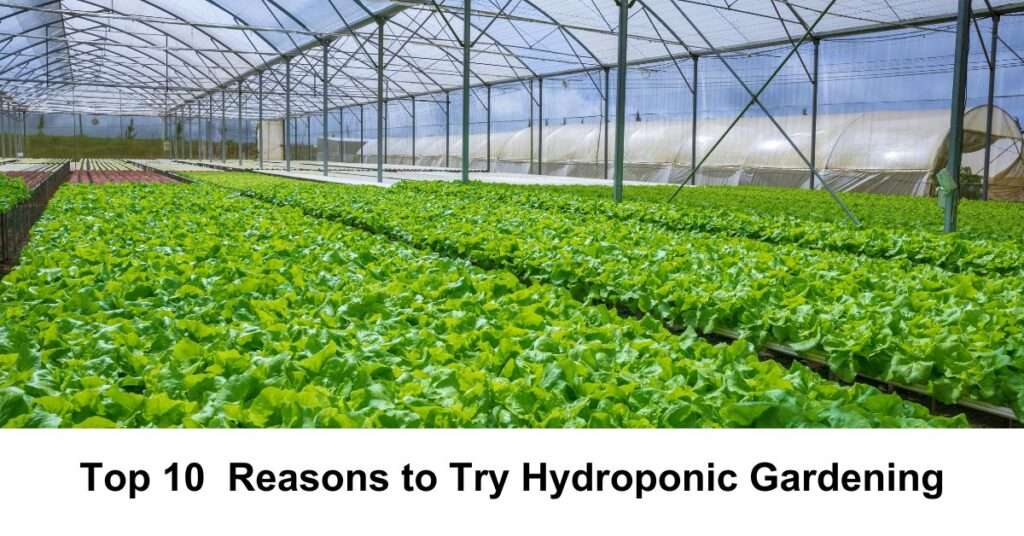
Top 10  Reasons to Try Hydroponic Gardening

Rajasthan, the land of vibrant culture and majestic forts, also faces a significant challenge – water scarcity. Traditional farming methods can be difficult in the summer heat, and access to fertile land can be limited. But what if there was a way to grow fresh, delicious produce year-round, regardless of Rajasthan’s climate? Enter hydroponic gardening! Hydroponic plantation offers a revolutionary approach to agriculture, thriving even in off-grid locations across Rajasthan. It’s a soilless method where plants receive nutrients directly through a water-based solution. This innovative technique boasts numerous advantages, making it a perfect choice for Rajasthani residents seeking a sustainable and productive way to grow their own food. Here are the top 10 reasons why you should consider hydroponic gardening in Rajasthan: 1. Year-Round Fresh Produce: Unlike traditional farming limited by seasons, hydroponics allows you to cultivate your favorite herbs, vegetables, and even fruits all year long. This is a game-changer, especially during Rajasthan’s scorching summers when fresh produce availability dwindles. 2. Thrives in Arid Climates: Water scarcity is a major concern in Rajasthan. Hydroponics uses up to 90% less water compared to traditional methods. The water in a hydroponic system is constantly circulated and reused, minimizing waste. This makes it a highly water-efficient option for arid regions like Rajasthan. 3. Independence from Off-grid Locations:  Hydroponic systems can be set up almost anywhere, even in off-grid locations across Rajasthan. You don’t need vast swathes of fertile land. With minimal space, you can cultivate a thriving garden on your rooftop, balcony, or even indoors. 4. Increased Yields and Faster Growth: Hydroponic plants have direct access to the exact nutrients they need, leading to faster growth rates and higher yields. This translates to more fresh produce for your family or even surplus to sell, potentially generating income. 5. Reduced Risk of Pests and Diseases: Traditional soil-based farming is susceptible to pests and diseases.  Hydroponic systems offer a more controlled environment, minimizing the risk of these problems. This translates to less need for pesticides, leading to healthier and safer food for you and your family. 6. Weed-Free Gardening:  Imagine a garden free of pesky weeds! In hydroponics, there’s no soil, so weeds don’t have a chance to grow. This frees up your time and energy, allowing you to focus on nurturing your plants. 7. Ideal for Urban Gardening:  Living in an apartment or a small house in Rajasthan doesn’t have to limit your gardening dreams. Hydroponic systems can be set up vertically, making them perfect for urban spaces with limited square footage. 8. Improved Plant Health and Quality:  Hydroponic plants receive a consistent supply of nutrients and controlled environmental conditions. This leads to healthier plants that are less susceptible to stress and produce higher quality fruits and vegetables. 9. Environmentally Friendly:  Hydroponics uses less water and eliminates the need for chemical fertilizers typically used in traditional farming. This reduces environmental impact and promotes sustainable practices, making it a great choice for eco-conscious individuals in Rajasthan. 10. Fun and Rewarding Hobby:  Growing your own food is an incredibly rewarding experience. Hydroponics offers a fun and engaging way to learn about plant science and cultivate fresh produce right in your Rajasthani home. Imagine the satisfaction of harvesting your own homegrown vegetables and herbs! Getting Started with Hydroponic Gardening in Rajasthan: Hydroponics might seem complex at first, but with some research and the right guidance, anyone in Rajasthan can set up a successful system. Research different hydroponic systems: There are various hydroponic systems available, each with its own advantages. Deep Water Culture (DWC), Kratky Method, and Nutrient Film Technique (NFT) are popular options for beginners. Choose the right plants: Certain plants thrive better in hydroponics than others. Herbs like basil and mint, leafy greens like lettuce and spinach, and even some tomatoes and peppers are excellent choices for beginners in Rajasthan’s climate. Invest in quality equipment: While basic hydroponic setups can be DIY, investing in reliable pumps, timers, and nutrient solutions can ensure optimal plant growth. Join online communities: Numerous online communities and forums cater to hydroponic enthusiasts. These platforms offer valuable resources, troubleshooting tips, and a chance to connect with other growers in Rajasthan. Embrace the Future of Farming in Rajasthan: Hydroponic plantation offers a sustainable and productive solution for overcoming the challenges of traditional farming in Rajasthan. With its efficient water usage, year-round harvests, and suitability for even off-grid locations, hydroponics empowers Rajasthani residents

Hydroponics

Nutrient in hydroponic plantation

The land of vibrant culture, majestic forts, and awe-inspiring palaces, also holds the potential for a unique vacation experience. Imagine unwinding in a charming homestay, surrounded by nature’s tranquility, while enjoying the benefits of fresh, locally-grown produce. This idyllic scenario becomes a reality with the integration of hydroponic plantations into Rajasthan’s homestays. Hydroponics: A Boon for Sustainable Living Hydroponics is a method of growing plants without soil. Plants are instead suspended in a nutrient-rich water solution, providing all the essential elements they need to thrive. This innovative technique offers numerous advantages, particularly for regions like Rajasthan, where water scarcity can be a concern. Water Conservation: Hydroponics uses significantly less water compared to traditional soil-based agriculture. Studies suggest it can save up to 90% of water! Space Optimization: Hydroponic systems are highly space-efficient, making them ideal for smaller areas often found in homestays. Vertical farming techniques can further maximize space utilization. Year-round Cultivation: Unlike traditional farming, hydroponics allows for controlled environments, enabling cultivation throughout the year, regardless of the season. Reduced Risk of Pests and Diseases:  Soil-borne pests and diseases become a lesser concern with hydroponics, leading to healthier and potentially higher yields. Nutrients: The Building Blocks of Hydroponic Success For optimal plant growth in a hydroponic system, a balanced nutrient solution is paramount. This solution typically contains essential elements such as: Macronutrients:  These include nitrogen, phosphorus, and potassium, which are required in larger quantities for plant growth and development. Micronutrients: Essential in smaller amounts, micronutrients like iron, manganese, and copper play crucial roles in various plant functions. pH Level: Maintaining a proper pH level (between 5.5 and 6.5) ensures optimal nutrient uptake by the plants. Rajasthan Homestays Embrace Sustainability The integration of hydroponics in Rajasthan homestays offers a multitude of benefits for both guests and the environment. Fresh, Local Produce: Guests can enjoy the privilege of savoring meals prepared with fresh, homegrown vegetables and herbs cultivated using hydroponics. Sustainable Practices:  Hydroponics promotes a more sustainable approach to food production, aligning with the growing eco-conscious travel movement. Educational Opportunity: Homestays with hydroponic systems can provide guests with a firsthand learning experience about this innovative growing method. Finding the Perfect Rajasthan Homestay with Hydroponics While the concept of hydroponics in homestays is still relatively new in Rajasthan, a growing number of establishments are embracing this sustainable practice. Here’s how you can find the perfect homestay with a hydroponic twist: Search Online:  Several travel websites and booking platforms allow you to filter homestays based on amenities like “hydroponic garden” or “organic farming.” Contact Homestays Directly:  Reach out to homestays in your preferred locations and inquire about their approach to food production. Look for Eco-Friendly Certifications: Some homestays might have certifications that highlight their commitment to sustainable practices, including hydroponics. Beyond the Greens: A Holistic Rajasthan Experience A vacation in a Rajasthan homestay with a hydroponic garden offers more than just access to fresh produce. Here’s what you can expect: Immerse Yourself in Nature:  Many homestays are nestled amidst scenic landscapes, providing a welcome escape from the hustle and bustle of city life. Experience Local Culture:  Homestays often offer opportunities to interact with local families, learn about Rajasthani traditions, and enjoy authentic cuisine. Explore Hidden Gems:  Homestay owners can be your personal guides, leading you to off-the-beaten-path attractions and hidden gems in Rajasthan. Romantic Getaways, Family Vacations, and Weekend Escapes Whether you’re seeking a romantic escape for two, a fun-filled family vacation, or a refreshing weekend getaway, Rajasthan homestays with hydroponics cater to diverse travel needs. Family Fun:  These homestays can provide a unique educational experience for children, allowing them to witness the magic of hydroponics firsthand. Weekend Rejuvenation:  Escape the daily grind and reconnect with nature in these peaceful homestays, enjoying the benefits of fresh, locally-grown food. Romantic Escape:  Imagine candlelit dinners featuring fresh ingredients harvested from the on-site hydroponic garden – a perfect setting for a romantic getaway in Rajasthan.

Hydroponics

Hydroponic System 101

Welcome to the wonderful world of hydroponics! Ever dreamt of fresh herbs on your windowsill year-round, or producing bountiful harvests indoors? Hydroponics, the art of growing plants without soil, can make it a reality. This blog is your one-stop shop for hydroponic newbies. Let’s dive into the basics: What is Hydroponics? Imagine growing plants with their roots suspended in nutrient-rich water, or nestled in an inert medium like rockwool. That’s hydroponics in a nutshell. Plants get everything they need to thrive directly through their roots, leading to faster growth and potentially higher yields. Why Go Hydro? Here are some reasons why hydroponics is becoming increasingly popular: Soilless Solution: Struggling with poor soil quality? Hydroponics bypasses that issue altogether. Water Conservation: Hydroponic systems use significantly less water compared to traditional gardening. Precise Control: Nutrient levels, pH, and even lighting can be closely monitored and adjusted for optimal plant growth. Year-Round Growing: With proper setup, you can enjoy fresh produce indoors regardless of the season. Getting Started with Hydroponics Hydroponic systems come in various shapes and sizes, from simple DIY setups to elaborate commercial operations.  Choosing a System: There are two main categories: active (uses pumps) and passive (relies on gravity). Popular options include Deep Water Culture (DWC), Kratky Method (passive), and Nutrient Film Technique (NFT). Research each system to find one that suits your skill level and desired plants. Grow Mediums: Not all hydroponic systems use them, but some popular mediums include rockwool, coco coir, and perlite. These provide support and some moisture retention for the plant’s roots. Nutrients: Since you’re bypassing soil, your plants will rely solely on a nutrient solution you provide. Purchase a pre-mixed solution or learn how to create your own. Lighting: Most indoor setups require grow lights to mimic natural sunlight. LED lights are energy-efficient and offer a good spectrum for plant growth. Monitoring and Maintenance: Regularly check your nutrient solution’s pH and nutrient levels, and adjust as needed. Monitor water levels and top up the reservoir when necessary. Hydroponic Resources There’s a wealth of information available online and in bookstores to help you on your hydroponic journey. Here are a few resources to get you started: Browsing online forums and communities specifically dedicated to hydroponics. Watching YouTube channels that showcase hydroponic setups and techniques. Investing in a good book on hydroponics for beginners. The Final Green Thumbs Up Hydroponics might seem intimidating at first, but with a little research and the right setup, you can be well on your way to enjoying the rewards of this fascinating method of growing plants. So why not give it a try? Happy Hydroponic Growing!

Hydroponics

Fascinating Facts About Hydroponics You Need to Know

Hydroponics, the method of growing plants without soil, has been revolutionizing the agricultural industry and home gardening alike. This innovative approach uses a nutrient-rich water solution to nourish plants, offering numerous advantages over traditional soil-based growing methods. Here, we explore some fascinating facts about hydroponics that highlight its benefits, history, and future potential. The Basics of Hydroponics Hydroponics involves growing plants with their roots submerged in a water-based nutrient solution. This method allows for precise control over the nutrients and pH levels, leading to optimal plant growth. Common hydroponic systems include: Nutrient Film Technique (NFT): A thin film of nutrient solution flows over the roots, providing constant nourishment. Deep Water Culture (DWC): Plant roots are suspended in nutrient-rich water, often with air stones to oxygenate the solution. Ebb and Flow (Flood and Drain): Plants sit in a growing medium, and the nutrient solution periodically floods the system and then drains away. Aeroponics: Plant roots are misted with a nutrient solution, allowing maximum oxygen exposure. Advantages of Hydroponics Faster Growth Rates: Plants grown hydroponically can grow up to 50% faster than those grown in soil, due to the direct access to nutrients and oxygen. Higher Yields: Because hydroponics provides optimal conditions, plants often produce higher yields compared to traditional methods. Water Efficiency: Hydroponic systems use significantly less water than soil-based gardening, making them an environmentally friendly choice, especially in arid regions. Space Efficiency: Vertical hydroponic systems can maximize space usage, allowing for urban farming and indoor gardening in small areas. Pest and Disease Control: Without soil, the risk of soil-borne pests and diseases is greatly reduced, leading to healthier plants and fewer pesticides. Historical Roots of Hydroponics Hydroponics is not a modern invention. Ancient civilizations, including the Babylonians and Aztecs, utilized soil-less growing techniques. The Hanging Gardens of Babylon and the floating gardens of the Aztecs are early examples of hydroponic-like systems. The term “hydroponics” itself was coined in the 1930s by Dr. William Frederick Gericke, who successfully grew tomato vines using nutrient solutions. Modern Applications of Hydroponics Urban Agriculture: Hydroponics is a solution for urban environments where space and soil quality are limited. Rooftop gardens and indoor farms are becoming increasingly popular in cities worldwide. Food Security: In areas with poor soil or limited agricultural land, hydroponics can ensure a stable food supply. It’s also being used in disaster relief efforts to provide fresh produce quickly. Space Exploration: NASA has been researching hydroponics for growing food in space. The ability to grow crops without soil is crucial for long-term space missions and potential colonization of other planets. Commercial Farming: Large-scale hydroponic farms are producing a significant portion of the fresh produce available in supermarkets. This method ensures consistent quality and year-round production. Challenges and Future Potential Despite its many benefits, hydroponics also faces challenges. Initial setup costs can be high, and maintaining the systems requires technical knowledge and constant monitoring. However, technological advancements are making hydroponics more accessible and efficient. Innovations such as automated nutrient delivery systems, LED grow lights, and improved sensors are streamlining the process and reducing costs. The future of hydroponics looks promising. As the global population continues to grow, and climate change impacts traditional farming, hydroponics offers a sustainable solution for food production. The integration of artificial intelligence and data analytics could further optimize growth conditions, leading to even higher yields and more efficient resource use. Conclusion Hydroponics represents a leap forward in agricultural technology, offering numerous benefits over traditional soil-based methods. From its historical roots to its modern applications and future potential, hydroponics is transforming the way we grow food. Whether for urban agriculture, space exploration, or commercial farming, this innovative method holds the promise of a more sustainable and efficient future for food production. As technology continues to advance, hydroponics is set to play an increasingly important role in feeding the world.

Hydroponics

5 Easy Herbs to Grow Hydroponically at Home

Dreaming of a refreshing escape to Rajasthan, the land of majestic forts, vibrant culture, and delicious cuisine? While you envision yourself exploring palaces and soaking in the desert beauty, a unique experience awaits you –  hydroponic herb gardens at homestays! Rajasthan is embracing sustainable practices, and some of the best homestays in Rajasthan are incorporating hydroponic plantations. This allows guests to enjoy the freshest, locally-grown herbs, adding a delightful touch to their meals. Hydroponics, the art of growing plants without soil, is surprisingly easy and perfect for anyone, even those with limited space. It’s a fantastic way to enjoy homegrown herbs year-round, regardless of your location. So, even if you can’t visit a Rajasthan homestay with a hydroponic garden right now, you can create your own mini oasis at home! Before We Begin: Exploring the Magic of Rajasthan Homestays Rajasthan offers a plethora of homestay options, perfect for families, couples, or solo travelers seeking an authentic experience. Imagine waking up to breathtaking views, indulging in home-cooked meals prepared with fresh, local ingredients (perhaps featuring some homegrown herbs!), and experiencing the warmth of Rajasthani hospitality. Here are some popular options to consider for your next Rajasthan vacation: Best Homestay for Families: Look for homestays with child-friendly activities, ample space, and possibly even a swimming pool. Romantic Getaways: Indulge in a luxurious homestay with private balconies, spa services, and personalized experiences. Weekend Getaways: Escape the city bustle and find a peaceful homestay close to nature, offering opportunities for short hikes and exploration. Rural Homestays: Immerse yourself in village life, learn about local traditions, and experience the simple joys of rural Rajasthan. Now, onto the exciting part – Hydroponics at Home! Hydroponics eliminates the need for soil, replacing it with a nutrient-rich water solution that provides plants with everything they need to thrive. This method offers several advantages: Increased Growth Rate: Plants tend to grow faster and produce higher yields compared to traditional soil-based gardening. Reduced Risk of Pests and Diseases: The controlled environment minimizes the risk of soil-borne diseases and pests. Year-Round Gardening: Enjoy fresh herbs indoors, regardless of the season or climate. Getting Started with Your Hydroponic Herb Garden: There are various hydroponic systems available, from simple Kratky methods to more elaborate setups. For beginners, a Kratky method or a Deep Water Culture (DWC) system is a great place to start. These require minimal maintenance and are relatively inexpensive. Here’s what you’ll need to get started: Hydroponic Container: A bucket, jar, or any other container suitable for your chosen system. Hydroponic Medium (Optional): Clay pebbles, rockwool, or coco coir can be used to provide support for the plant roots. Nutrient Solution: A pre-mixed hydroponic nutrient solution specifically formulated for herbs. Grow Lights (Optional): If you don’t have sufficient natural light, invest in grow lights to provide the necessary light spectrum for your herbs. Seeds or Seedlings: Choose high-quality seeds or seedlings of your favorite herbs. 5 Easy Herbs to Grow Hydroponically: Now, let’s delve into the fun part – selecting your herbs! Here are five easy-to-grow options perfect for beginners: Basil: This quintessential Italian herb thrives in hydroponics. Enjoy its fragrant leaves in pesto, pasta dishes, or simply add a touch of freshness to salads. Mint: Another versatile herb, mint adds a refreshing kick to cocktails, desserts, and even savory dishes. Cilantro (Coriander): A staple in Indian and Mexican cuisine, cilantro’s bright flavor elevates curries, salsas, and guacamole. Parsley: This curly-leafed herb adds a pop of color and a mild, peppery taste to soups, stews, and roasted vegetables. Thyme: Aromatic and perfect for slow-cooked dishes, thyme complements poultry, stews, and roasted vegetables beautifully.

Hydroponics Plantation: A Beginner’s Guide to Growing Plants Without Soil
Hydroponics

Hydroponics Plantation: A Beginner’s Guide to Growing Plants Without Soil

Ever dreamt of a romantic vacation for couples in Rajasthan, complete with stunning landscapes and fresh, locally grown food? While Rajasthan boasts some of the  best resorts in Rajasthan for a relaxing getaway, some innovative resorts are taking things a step further by incorporating hydroponic plantations.  Intrigued by the idea of a  resort with hydroponic plantation?  This blog is for you! But before we delve into the world of  vacation resorts with a sustainable twist, let’s explore the fascinating concept of hydroponics. Hydroponics is a method of growing plants without soil, using a mineral-rich water solution to provide nutrients directly to the roots.  This innovative technique offers numerous advantages, making it a perfect choice for resorts seeking fresh, local produce and a sustainable approach. Why Hydroponics? Benefits for Resorts and Vacationers Year-Round Fresh Produce: Unlike traditional farming, hydroponics allows resorts to grow fresh herbs, vegetables, and even fruits year-round, regardless of the season. This translates to delicious, locally sourced ingredients for meals, enhancing the dining experience for guests. Reduced Water Usage: Hydroponics uses significantly less water compared to traditional soil-based agriculture. This is a major benefit for Rajasthan, a region prone to water scarcity. Increased Yields: Hydroponic systems often produce higher yields in a smaller space. This ensures a consistent supply of fresh produce for the resort while optimizing land use. Reduced Pesticide Use: Since plants are grown in a controlled environment, the need for pesticides is minimized, contributing to a healthier and safer food source. Unique Guest Experience: A hydroponic plantation at a resort can be a fascinating attraction for guests. Learn about hydroponic plantation through tours or workshops, adding an educational element to their vacation. Getting Started with Hydroponics: A Beginner’s Guide While  hydroponic farming might sound complex, the basic principles are quite straightforward. The System: There are various hydroponic systems available, each with its own advantages. Popular options include Deep Water Culture (DWC), Nutrient Film Technique (NFT), and Kratky Method. Research each system to determine the best fit for your needs and available space. Growing Medium:  Although there’s no soil involved, hydroponics utilizes growing mediums to provide support and anchor the plant roots.  Common options include rockwool, perlite, and coco coir. Nutrient Solution:  This is the lifeblood of your hydroponic system, providing essential nutrients for plant growth.  Pre-made nutrient solutions are readily available or you can create your own using specific formulas. Lighting: Plants still require light for photosynthesis, even in a hydroponic setup.  Depending on the system and  plants you choose, you might utilize natural sunlight supplemented by grow lights for optimal results. Monitoring and Maintenance:  Regularly monitor your hydroponic system, checking water levels, pH levels of the nutrient solution, and overall plant health. Exploring Hydroponic Plantations at Rajasthan Resorts Rajasthan, with its rich cultural heritage and breathtaking landscapes, is also embracing sustainable practices.  Several resorts are now incorporating  hydroponic plantations as part of their commitment to responsible tourism.  Imagine enjoying a luxurious stay at a  rural resort in Rajasthan, indulging in a gourmet meal featuring fresh, locally grown produce cultivated through hydroponics! The Future of Hydroponic Resorts Hydroponics offers a glimpse into the future of sustainable tourism. It allows resorts to reduce their environmental footprint, offer guests a unique experience, and ensure a consistent supply of fresh, delicious food.  So, on your next  family vacation or romantic getaway to Rajasthan, consider looking for a resort that incorporates this innovative and eco-friendly practice. Ready to Learn More? This blog provides a basic introduction to hydroponics plantations. Numerous resources are available online and in libraries to delve deeper into the subject. Additionally, consider contacting  hydroponic nurseries or organic farming experts for specific guidance on setting up your own hydroponic system, even at home! While we haven’t focused on specific resorts in this blog, using the keywords  best resort in Rajasthan  or  vacation resorts along with  hydroponic plantation in your online searches can help you find resorts incorporating this innovative practice. So, the next time you plan a vacation to Rajasthan, consider choosing a resort that embraces sustainability through hydroponics. You might just discover a whole new way to experience the beauty and bounty of this incredible region!

Scroll to Top