
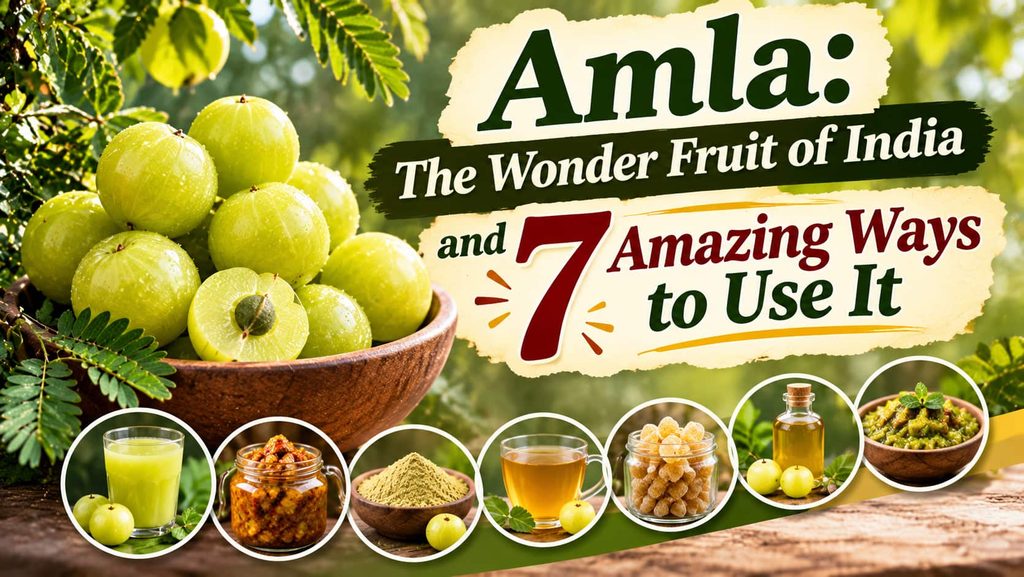
From your kitchen to your hair-care routine, one small green fruit can do a great deal more than you might think.
There is something wonderfully familiar about Amla. Most of us have encountered it somewhere along the way, in a jar of murabba in a grandmother’s kitchen, in a bottle of hair oil on a bathroom shelf, or as a small, startlingly tart fruit offered after a meal.
Amla, also known as Indian Gooseberry, has been part of Indian kitchens and traditional wellness practices for generations. It is one of those ingredients that keeps appearing across different aspects of daily life, from food and flavour to hair and skincare, and for good reason.
What makes Amla genuinely interesting is how versatile it is. This small, green, tangy fruit can be transformed into sweet preserves, refreshing drinks, traditional herbal preparations, natural hair-care products, and even handmade soap.
If you have only ever eaten Amla fresh or bought a readymade product from the market, you may not have explored even half of what this fruit can offer.
Here is a closer look at why Amla has earned its reputation, and seven interesting ways to put it to use.
Why Is Amla Called the Wonder Fruit of India?
Amla’s reputation rests on a solid nutritional foundation.
Fresh Amla is one of the richest natural sources of Vitamin C. This alone gives the fruit considerable value in a balanced diet, as Vitamin C plays a role in supporting normal immune function and acts as an antioxidant that helps protect the body’s cells.
Beyond Vitamin C, Amla also contains:
- Dietary fibre, which supports digestive health and contributes to a feeling of fullness.
- Polyphenols and other plant compounds that have antioxidant properties.
- Minerals including calcium, iron, and phosphorus in modest amounts.
- A low calorie count, which makes it a nutritious addition to the diet without contributing excess energy.
It is worth noting the distinction between what nutritional science has established and what belongs to the realm of traditional use. Amla has a long history in Ayurveda and Indian wellness traditions, where it has been valued as a restorative ingredient. These traditional uses reflect generations of practical experience, though they should not be interpreted as medical claims or guarantees.
What is clear is that Amla is a nutritious seasonal fruit with a range of applications that extend well beyond eating it fresh.
One small fruit. A surprisingly long list of possibilities.
Seven Amazing Ways to Use Amla
Amla’s versatility is what makes it genuinely exciting for anyone interested in homemade food preparations, traditional recipes, or natural personal-care products. Here are seven different ways to explore it.
1. Amla Candy and Murabba: A Tangy-Sweet Traditional Treat
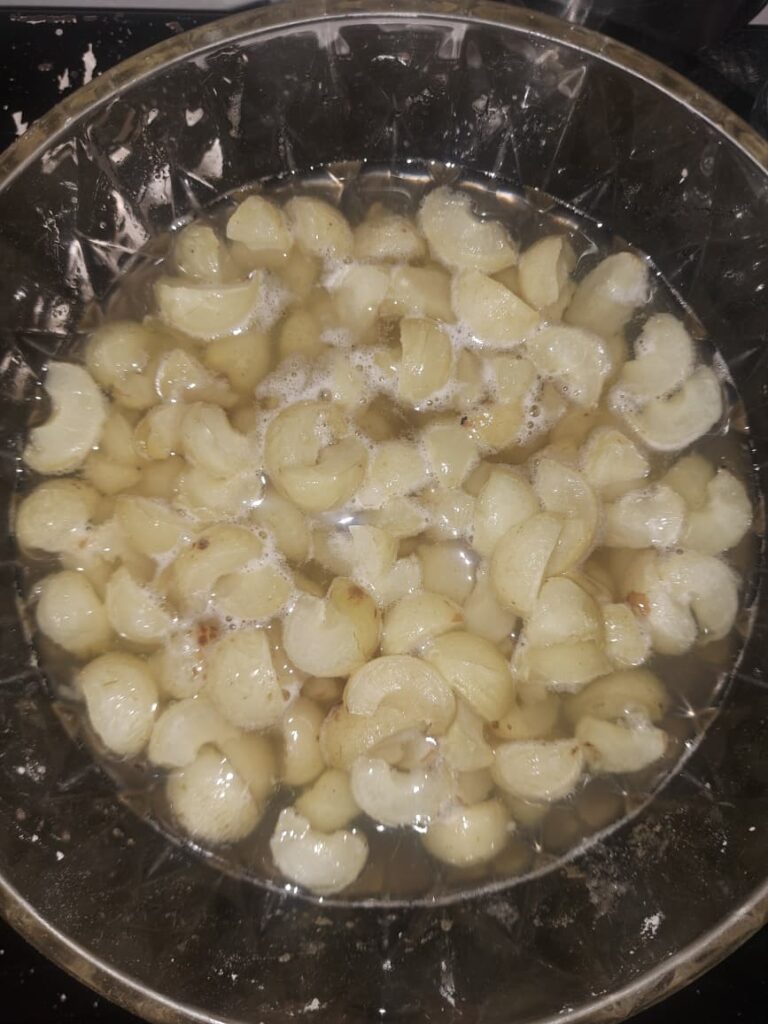
If you have ever bitten into a piece of Amla candy, you know that particular combination of sweet, tangy, and mildly spiced flavour that is difficult to find anywhere else. Amla candy is made by processing fresh Amla with sugar and spices to create a chewy, preserved treat that offers a very different experience from eating the fruit raw.
Amla murabba takes a similar idea in a slightly different direction. It is a traditional sweet preserve, usually made by slow-cooking whole or halved Amla in a sugar syrup with cardamom or other aromatics. The result is a soft, fragrant, intensely flavoured preparation that has been part of Indian households for a very long time.
Both preparations are a way of extending Amla’s season and enjoying its distinctive flavour in a form that keeps well.
2. Amla Prash: A Traditional Amla-Based Preparation
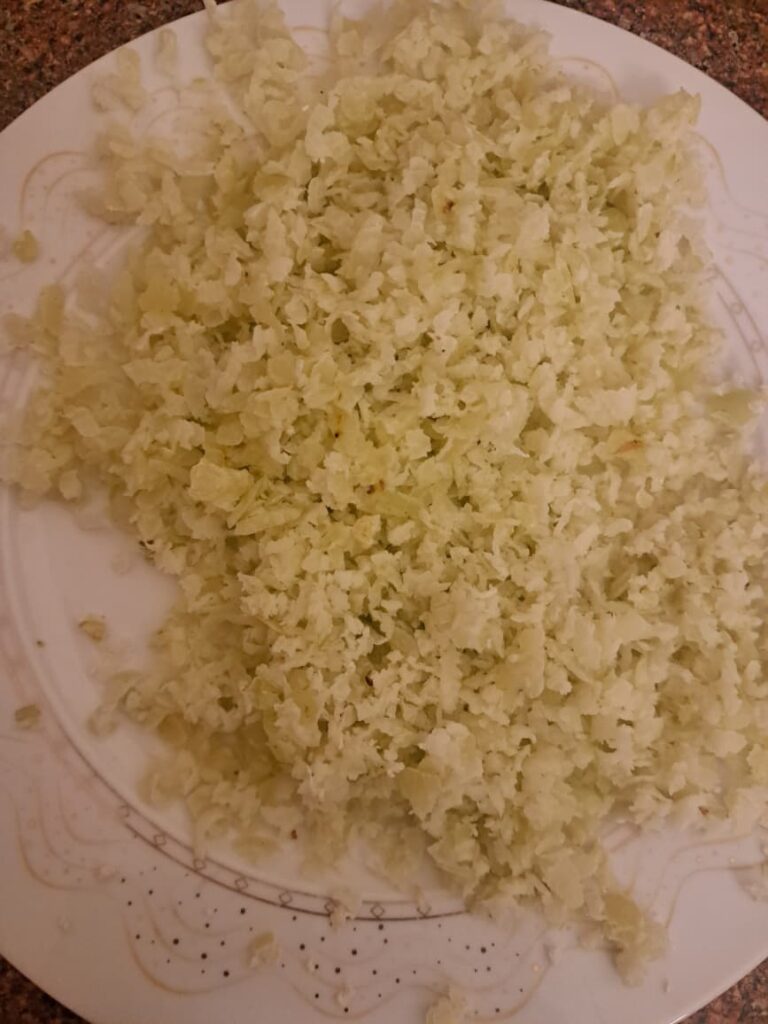
Amla prash is a traditional preparation made using Amla as its primary ingredient, typically combined with honey, ghee, and other natural ingredients depending on the recipe.
It has a long history in traditional Indian food and wellness practices, where it has been valued as a nourishing preparation made during the season when fresh Amla is available. The combination of ingredients and the method of preparation vary across recipes and regions, making it an interesting preparation to explore and personalise.
Amla prash is a good example of how traditional Indian kitchens found ways to preserve and concentrate the value of seasonal ingredients.
3. Amla Mukhwas and Churan: Small Preparations With a Big Tradition
Amla mukhwas is a traditional mouth freshener made by preparing dried or spiced Amla pieces, often combined with seeds, spices, and a touch of sweetness. It is one of those small preparations that takes only a little effort to make at home and lasts for a reasonable time when stored correctly.
Amla churan is a powdered preparation made from dried Amla combined with other ingredients, depending on the recipe. It has traditionally been used as a digestive preparation, enjoyed in small amounts after meals. Both mukhwas and churan are practical ways to incorporate Amla into everyday routines without requiring large quantities of the fresh fruit.
4. Lemon and Amla Squash: A Refreshing Seasonal Drink
Combining Amla with lemon produces a tangy, flavourful concentrate that can be diluted into a refreshing drink. The natural tartness of both fruits balances each other well, and the resulting squash has a sharp, clean flavour that works particularly well chilled.
A homemade Amla and lemon squash can be prepared as a concentrate, stored using appropriate food-safe methods, and served diluted with water or soda to taste. Making it at home allows you to adjust the sweetness and intensity to your preference, which is something a commercially produced version cannot offer.
5. Amla Launji: A Traditional Sweet and Tangy Accompaniment
Amla launji is a flavourful cooked preparation that sits somewhere between a chutney and a preserve. It is typically made by cooking fresh Amla with sugar or jaggery, spices like mustard seeds and fennel, and sometimes a touch of red chilli, producing a sweet, tangy, and mildly spiced accompaniment.
Launji is enjoyed alongside everyday meals and is one of the simplest ways to bring fresh Amla into the kitchen during the season. It is easy to prepare in small batches and pairs well with rotis, parathas, and rice-based dishes.
6. Amla Hair Oil and Shampoo: Exploring Traditional Hair-Care Uses
Amla has been used in Indian hair-care preparations for generations. Amla-infused hair oil, made by combining Amla with a carrier oil such as coconut or sesame, is a traditional preparation that many Indian households have made at home.
Amla is also used as an ingredient in homemade shampoo preparations, often combined with other traditional ingredients. Its inclusion in hair-care formulations reflects its long history in Indian personal-care practices, and learning to prepare these products from scratch is a genuinely satisfying experience.
It is worth noting that while Amla has a well-established place in traditional hair-care, results from any natural preparation vary between individuals, and no specific outcomes should be expected.
7. Amla Soap and Triphala: Exploring Its Uses Beyond Everyday Cooking
Amla’s applications extend beyond the kitchen and into natural personal care. Handmade Amla soap is an interesting preparation that combines Amla with suitable base ingredients to create a natural cleansing product. Making soap by hand is a detailed craft that requires care and the right materials, but the result is a product you have made yourself and understand completely.
Triphala is a traditional Indian herbal formulation made from three fruits: Amla (Amalaki), Haritaki, and Bibhitaki. It has a long history of use in Ayurvedic practice and continues to be valued in traditional wellness contexts. Each of the three fruits contributes distinct properties to the formulation, with Amla providing its characteristic antioxidant and nutritional qualities.
These two preparations illustrate just how far Amla’s applications can reach when you begin to explore it seriously. And there are many other creative recipes and preparations that adventurous cooks and crafters have developed using this remarkable fruit.
3. Why Making Amla Products at Home Is a Different Experience
There is a real difference between buying a readymade Amla product from the market and making one yourself.
When you prepare something at home, you understand exactly what has gone into it. You choose your ingredients, follow the method, and adjust the result to your own taste. You learn the effort and care that a traditional preparation requires, which changes the way you think about it.
Making Amla products at home also gives you a connection to the ingredient that a packaged product cannot provide. When you start with a fresh Amla and end with a jar of murabba or a bottle of hair oil, the process itself becomes part of the experience.
This is not to suggest that homemade preparations are automatically superior to commercially produced ones. It simply means that making something yourself offers a different kind of satisfaction, and a different kind of understanding.
There is something irreplaceable about the experience of making a thing yourself, from the beginning.
November Is Amla Month at Offgrid Rajasthan!
This November, Offgrid Rajasthan in Kotputli, Rajasthan, is celebrating Gooseberry Month, or Amla Month, because the Amla trees on the farm are in full fruiting season.
This is not simply a farmhouse stay with Amla on the menu. It is an opportunity to experience the entire journey of this fruit, from tree to finished product.
During your visit, you can:
- Stay at Offgrid Rajasthan and enjoy the farmhouse surroundings at their seasonal best.
- Pick fresh, organic Amla directly from the trees yourself.
- Experience the satisfaction of harvesting the fruit with your own hands.
- Learn to prepare different Amla-based products during your stay.
- Explore traditional recipes and preparations under guidance.
- Make products that you can take home and enjoy long after your visit.
There is a particular joy in picking fruit straight from a tree. It is a simple experience, but one that most city-dwellers rarely have the opportunity to enjoy. At Offgrid Rajasthan this November, that experience comes with the added satisfaction of turning what you pick into something genuinely useful.
What Can You Make During Your Stay?
Depending on your interests and the arrangements made in advance, visitors can explore a range of Amla-based preparations at the farm.
Food preparations:
- Amla candy
- Amla murabba
- Amla prash
- Amla mukhwas
- Lemon and Amla squash
- Amla launji
- Amla churan
- Triphala
Personal-care preparations:
- Amla hair oil
- Amla soap
- Amla shampoo
The farm provides the facilities and ingredients required. Visitors are asked to inform the farm in advance about which preparations they would like to explore, so the necessary arrangements can be made for their stay.
Depending on your interests and the time available, it may also be possible to explore additional Amla-based preparations during your visit.
Why Buy Ready-Made When You Can Make Your Own?
Amla products are available in markets across India. You can find murabba in sweet shops, hair oil in chemists, and packaged churan in grocery stores.
But there is a question worth asking: why simply buy something when you could pick the fruit yourself, understand how the product is made, and take home something you created with your own hands?
At Offgrid Rajasthan this November, that is exactly what the experience offers:
- The simplicity of harvesting Amla directly from a tree.
- The curiosity of learning what goes into each preparation.
- The focus and satisfaction of participating in the process yourself.
- The pleasure of taking home products that you made, not purchased.
- A story worth telling, and a memory worth keeping.
There is a real difference between a jar you bought and a jar you made. One is a product. The other is an experience.
Celebrate Amla Season With Us!
November is a short window. The Amla trees fruit for a season, and that season does not last forever.
If you have ever been curious about traditional Indian food preparations, natural personal-care products, or simply the experience of picking fresh fruit from a tree and turning it into something wonderful, this is the month to visit.
Offgrid Rajasthan in Kotputli, Rajasthan, is welcoming families, friends, couples, and anyone interested in hands-on farm experiences to celebrate Amla Month this November.
Come with curiosity. Leave with jars of murabba, bottles of hair oil, bars of Amla soap, or whatever preparations you choose to explore during your stay. And take home not just the products, but the experience of making them.
Plan your visit in advance and let the farm know which Amla preparations you would love to explore. The ingredients and facilities will be ready. All you need to bring is your enthusiasm.
Experience Amla Month at Offgrid Rajasthan
Why just read about Amla when you can experience its journey yourself?
This November, celebrate Amla Month at Offgrid Rajasthan, Kotputli, Rajasthan. Pick fresh organic Amla straight from our trees, explore traditional and creative preparations, and learn to make your favourite Amla products right here at the farm.
From candy and murabba to Amla hair oil, soap, shampoo, and much more, there is so much you can explore and create.
We provide the ingredients and facilities. You bring your curiosity and enthusiasm!
Plan your stay in advance and let us know which Amla preparations you would love to make.
Come for the farm experience. Leave with your own Amla creations.
Visit: www.offgridrajasthan.com | Book your stay: www.offgridrajasthan.com/booking-form